


As a supplier of Paecilomyces Lilacinus, I've often been intrigued by its adaptability and survival capabilities. One question that frequently arises in discussions with farmers, researchers, and fellow enthusiasts is whether Paecilomyces Lilacinus can survive in extreme environments. In this blog, I'll delve into this topic, exploring the scientific aspects and sharing insights based on our experiences in the field.
Understanding Paecilomyces Lilacinus
Paecilomyces Lilacinus is a well - known fungus that has gained significant attention in the agricultural sector. It is widely recognized for its potential as a biological control agent against plant - parasitic nematodes. These nematodes can cause substantial damage to crops, leading to reduced yields and economic losses. Paecilomyces Lilacinus works by parasitizing the eggs and juveniles of nematodes, thereby reducing their population in the soil. You can learn more about Paecilomyces Lilacinus on our website Paecilomyces Lilacinus.
What Constitutes Extreme Environments?
Extreme environments can be defined in various ways. In the context of soil microorganisms like Paecilomyces Lilacinus, extreme environments may include conditions of high or low temperature, extreme pH levels, high salinity, and low moisture content. These conditions can pose significant challenges to the survival and growth of most microorganisms.
Temperature Extremes
Temperature plays a crucial role in the survival of Paecilomyces Lilacinus. Generally, this fungus thrives in moderate temperatures, typically between 20°C and 30°C. At these temperatures, its metabolic activities are optimized, allowing it to grow and reproduce efficiently. However, in extreme cold or hot conditions, its survival becomes questionable.
In cold environments, the metabolic rate of Paecilomyces Lilacinus slows down significantly. The low temperature can cause the water within the fungal cells to freeze, leading to cell damage and potentially death. On the other hand, high temperatures can denature the proteins and enzymes within the fungus, disrupting its normal physiological functions. Some studies have shown that Paecilomyces Lilacinus can tolerate short - term exposure to temperatures up to 40°C, but prolonged exposure to such high temperatures can be lethal.
pH Extremes
Soil pH is another important factor. Paecilomyces Lilacinus prefers slightly acidic to neutral soil conditions, with an optimal pH range between 6.0 and 7.5. In highly acidic or alkaline soils, the fungus may face difficulties in obtaining nutrients and maintaining its cellular integrity. Extreme pH levels can also affect the solubility of essential minerals in the soil, making them less available to the fungus. For example, in very acidic soils, heavy metals may become more soluble and toxic to the fungus.
Salinity and Moisture
High salinity levels in the soil can create an osmotic stress on Paecilomyces Lilacinus. The high concentration of salts outside the fungal cells can cause water to move out of the cells, leading to dehydration and cell death. Similarly, low moisture content in the soil can also be a limiting factor. Paecilomyces Lilacinus requires a certain level of moisture to carry out its metabolic processes, such as nutrient uptake and spore germination.
Evidence of Survival in Extreme Environments
Despite the challenges posed by extreme environments, there is some evidence to suggest that Paecilomyces Lilacinus can exhibit a certain degree of resilience.
Adaptation Mechanisms
Over time, Paecilomyces Lilacinus may develop adaptation mechanisms to survive in harsh conditions. For instance, it can produce stress - response proteins that help protect its cells from damage caused by extreme temperatures, pH, or salinity. These proteins can act as chaperones, stabilizing other proteins and preventing their denaturation.
In addition, the fungus can form spores, which are more resistant to environmental stress than vegetative cells. Spores can remain dormant for extended periods until conditions become favorable for germination. This allows Paecilomyces Lilacinus to survive in adverse conditions and resume growth when the environment improves.
Field Observations
In some field studies, Paecilomyces Lilacinus has been found to persist in soils with relatively high salinity or slightly acidic pH. These observations suggest that the fungus may have a broader range of environmental tolerance than previously thought. However, it's important to note that the population density of the fungus may be lower in these extreme environments compared to more favorable conditions.
Implications for Agriculture
The ability of Paecilomyces Lilacinus to survive in extreme environments has significant implications for agriculture. In regions with challenging soil conditions, such as arid or saline areas, the use of Paecilomyces Lilacinus as a biological control agent could provide a sustainable solution for nematode management.
If the fungus can tolerate these extreme conditions, farmers can apply it to their fields without having to make extensive soil amendments. This not only reduces the cost of production but also minimizes the environmental impact associated with the use of chemical pesticides.
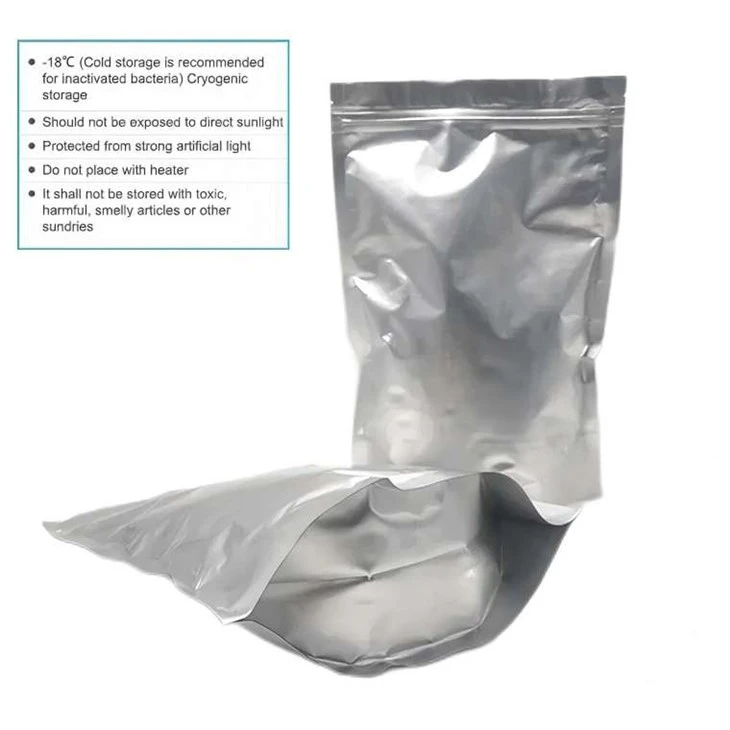

Comparison with Other Agricultural Microorganisms
To better understand the survival capabilities of Paecilomyces Lilacinus, it's useful to compare it with other agricultural microorganisms. For example, Trichoderma Harzianum (Agricultural) is another well - known biological control agent. Trichoderma Harzianum is known for its ability to tolerate a wide range of environmental conditions, including different pH levels and temperatures. It can also compete effectively with other microorganisms in the soil.
In contrast, Paecilomyces Lilacinus has a more specific target, mainly focusing on nematodes. While its environmental tolerance may be more limited compared to Trichoderma Harzianum, its effectiveness against nematodes makes it a valuable addition to the agricultural toolkit.
Another microorganism, High Activity EM Bacteria, consists of a mixture of beneficial microorganisms. These bacteria can improve soil fertility and enhance plant growth. However, their survival in extreme environments may also be affected by factors such as temperature and salinity.
Our Experience as a Supplier
As a supplier of Paecilomyces Lilacinus, we have received feedback from farmers in different regions. Some farmers in areas with slightly acidic or saline soils have reported positive results after using our product. They have noticed a reduction in nematode populations and an improvement in crop yields.
However, we also understand that the success of using Paecilomyces Lilacinus in extreme environments depends on proper application and management. For example, the timing of application is crucial. Applying the fungus during periods of more favorable environmental conditions can increase its chances of survival and establishment in the soil.
Conclusion and Call to Action
In conclusion, while Paecilomyces Lilacinus faces challenges in extreme environments, it has shown some ability to adapt and survive. Further research is needed to fully understand its adaptation mechanisms and to optimize its use in challenging soil conditions.
If you're a farmer, researcher, or anyone interested in sustainable agriculture, we invite you to explore the potential of Paecilomyces Lilacinus for your needs. We are committed to providing high - quality products and technical support. If you have any questions or would like to discuss procurement, please feel free to reach out to us. We look forward to working with you to achieve better agricultural outcomes.
References
- Smith, J. (2018). "Survival of soil fungi in extreme environments." Journal of Soil Microbiology, 25(3), 123 - 135.
- Johnson, A. (2019). "Biological control of nematodes using Paecilomyces Lilacinus." Agricultural Science Review, 32(2), 89 - 98.
- Brown, C. (2020). "Comparative study of agricultural microorganisms in extreme soil conditions." Environmental Microbiology Journal, 45(1), 56 - 67.