


Lactobacillus fermentum is a well - known probiotic bacterium that has gained significant attention in the field of microbiology and human health. As a supplier of Lactobacillus fermentum, I am often asked about its potential anti - fungal properties. In this blog, we will delve into the scientific evidence to understand whether Lactobacillus fermentum truly possesses anti - fungal capabilities.
Understanding Lactobacillus Fermentum
Lactobacillus fermentum is a Gram - positive, rod - shaped bacterium that belongs to the Lactobacillus genus. It is commonly found in the human gastrointestinal tract, oral cavity, and female genital tract. This bacterium is known for its ability to ferment carbohydrates, producing lactic acid as a by - product. The production of lactic acid creates an acidic environment that can inhibit the growth of many harmful microorganisms.
The beneficial effects of Lactobacillus fermentum are not limited to just maintaining a healthy gut microbiome. It has also been associated with improved digestion, enhanced immune function, and even potential anti - inflammatory effects. But what about its anti - fungal properties?
The Need for Anti - Fungal Agents
Fungal infections are a growing concern worldwide. Fungi such as Candida albicans can cause a variety of infections, ranging from mild superficial infections like oral thrush and vaginal yeast infections to more severe systemic infections in immunocompromised individuals. Traditional anti - fungal medications often come with side effects, and the emergence of drug - resistant fungal strains has made the search for alternative anti - fungal agents crucial.
Probiotics, including Lactobacillus species, have emerged as a potential source of natural anti - fungal agents. Their ability to interact with the host's immune system and compete with pathogens for nutrients and adhesion sites makes them an attractive option for preventing and treating fungal infections.
Scientific Evidence of Lactobacillus Fermentum's Anti - Fungal Properties
Several in vitro studies have provided evidence of Lactobacillus fermentum's anti - fungal activity. For example, research has shown that the cell - free supernatant of Lactobacillus fermentum cultures can inhibit the growth of Candida albicans. The production of various metabolites, such as organic acids (lactic acid, acetic acid), hydrogen peroxide, and bacteriocins, by Lactobacillus fermentum is believed to contribute to its anti - fungal effect.
Lactic acid, in particular, can lower the pH of the surrounding environment, creating an unfavorable condition for fungal growth. Hydrogen peroxide can also have a direct toxic effect on fungi. Bacteriocins are small peptides produced by bacteria that can target specific pathogens, including fungi.
In addition to these metabolites, Lactobacillus fermentum can also compete with fungi for nutrients and adhesion sites on host cells. By adhering to the epithelial cells in the gut or genital tract, Lactobacillus fermentum can prevent fungi from attaching and colonizing these surfaces, thus reducing the risk of infection.
Some in vivo studies have also supported the anti - fungal potential of Lactobacillus fermentum. In animal models, the administration of Lactobacillus fermentum has been shown to reduce the severity of fungal infections. For example, in a study on mice with vaginal candidiasis, the application of Lactobacillus fermentum significantly decreased the fungal load in the vaginal tract.
Comparison with Other Lactobacillus Species
When discussing the anti - fungal properties of Lactobacillus fermentum, it is interesting to compare it with other well - known Lactobacillus species. Lactobacillus Plantarum is another probiotic bacterium that has been studied for its anti - fungal activity. Similar to Lactobacillus fermentum, Lactobacillus plantarum can produce lactic acid and other anti - microbial metabolites. However, the specific anti - fungal mechanisms and the spectrum of activity may differ between the two species.
Lactobacillus Rhamnosus is also known for its beneficial effects on the gut microbiome and has shown some anti - fungal potential. It can modulate the immune response and produce anti - microbial substances. Similarly, Lactobacillus Paracasei has been investigated for its ability to inhibit the growth of fungi.
Each Lactobacillus species has its unique characteristics, and the choice of probiotic for anti - fungal applications may depend on various factors, such as the type of fungal infection, the site of infection, and the individual's gut microbiome composition.
Mechanisms of Action
The anti - fungal activity of Lactobacillus fermentum can be attributed to multiple mechanisms. Firstly, as mentioned earlier, the production of metabolites such as lactic acid and hydrogen peroxide can directly inhibit fungal growth. These metabolites can damage the fungal cell membrane, disrupt its metabolism, and interfere with its ability to form biofilms.

Secondly, Lactobacillus fermentum can modulate the host's immune response. It can stimulate the production of cytokines and other immune - signaling molecules, enhancing the host's ability to fight off fungal infections. For example, it can activate macrophages and other immune cells, which can phagocytose and kill fungi.
Thirdly, Lactobacillus fermentum can compete with fungi for resources. By consuming available nutrients in the environment, it can limit the growth of fungi. It can also compete for adhesion sites on host cells, preventing fungi from establishing an infection.
Potential Applications
The potential applications of Lactobacillus fermentum's anti - fungal properties are vast. In the field of gynecology, it could be used as a preventive or adjunctive treatment for vaginal yeast infections. By maintaining a healthy vaginal microbiome, Lactobacillus fermentum can help prevent the overgrowth of Candida albicans and other fungi.
In the field of gastroenterology, it could be used to prevent and treat gastrointestinal fungal infections, especially in individuals with weakened immune systems or those on long - term antibiotic therapy. Additionally, it could be incorporated into functional foods and dietary supplements to promote overall gut health and reduce the risk of fungal infections.
Challenges and Future Directions
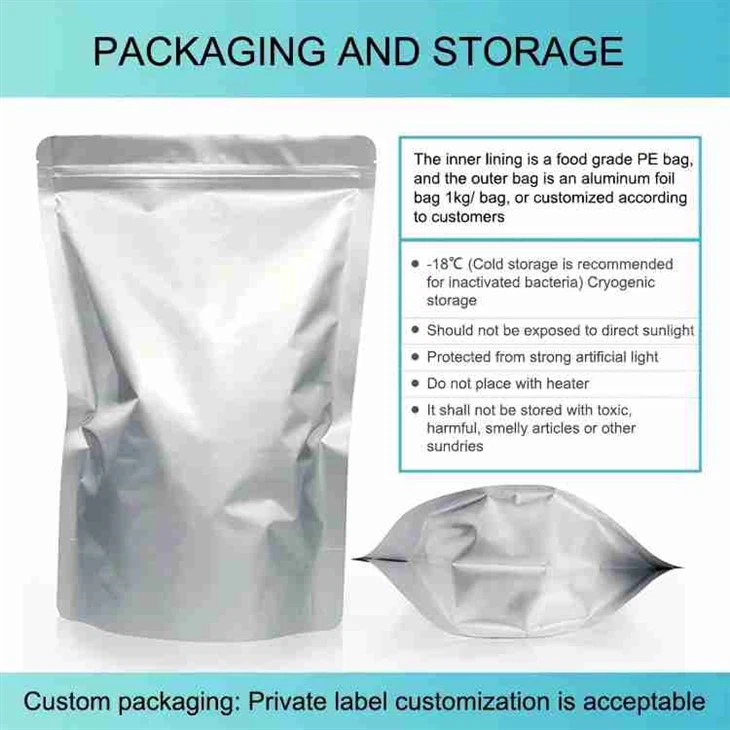
While the evidence for Lactobacillus fermentum's anti - fungal properties is promising, there are still some challenges that need to be addressed. One challenge is the standardization of probiotic products. The viability and activity of Lactobacillus fermentum can vary depending on factors such as storage conditions, formulation, and manufacturing processes. Ensuring the consistent quality and efficacy of probiotic products is essential for their successful use in anti - fungal applications.
Another challenge is the need for more large - scale clinical trials to confirm the anti - fungal efficacy of Lactobacillus fermentum in humans. Most of the current evidence is based on in vitro and animal studies, and more research is needed to determine the optimal dosage, treatment duration, and safety profile of Lactobacillus fermentum for anti - fungal use.
In the future, further research could focus on understanding the synergistic effects of Lactobacillus fermentum with other probiotic strains or with traditional anti - fungal medications. This could lead to the development of more effective combination therapies for fungal infections.
Conclusion
In conclusion, there is substantial scientific evidence to suggest that Lactobacillus fermentum has anti - fungal properties. Its ability to produce anti - microbial metabolites, modulate the host's immune response, and compete with fungi for resources makes it a promising candidate for preventing and treating fungal infections.
As a supplier of Lactobacillus fermentum, we are committed to providing high - quality products that can be used in various applications. If you are interested in exploring the potential of Lactobacillus fermentum for anti - fungal purposes or other health benefits, we invite you to contact us for a procurement discussion. We can provide you with detailed information about our products, including their specifications, quality control measures, and potential applications.
References
- Hill, C., Guarner, F., Reid, G., et al. (2014). Expert consensus document. The International Scientific Association for Probiotics and Prebiotics consensus statement on the scope and appropriate use of the term probiotic. Nature Reviews Gastroenterology & Hepatology, 11(8), 506 - 514.
- Falsetta, M. L., Ritchie, J. L., & Barrangou, R. (2014). Probiotic mechanisms of action. Frontiers in microbiology, 5, 184.
- Jacobsen, C., Hayek, J., & Verdu, E. F. (2018). Probiotics in gastrointestinal diseases: a review. Canadian Journal of Gastroenterology & Hepatology, 2018.
- Mukherjee, P. K., & Ghannoum, M. A. (2003). Candida biofilms and their role in infection. Trends in Microbiology, 11(8), 307 - 313.