



In the dynamic field of aquaculture, maintaining high - quality water is of utmost importance. Water quality directly impacts the health, growth, and survival of aquatic organisms. One remarkable solution that has emerged to address water quality challenges is Glucose Oxidase. As a leading supplier of Glucose Oxidase, I am excited to share how this enzyme can significantly improve water quality in aquaculture.
Understanding the Aquaculture Water Quality Challenge
Aquaculture systems, whether they are fish ponds, shrimp farms, or recirculating aquaculture systems (RAS), face a multitude of water quality issues. Organic matter such as uneaten feed, feces, and dead organisms accumulates over time. This organic load serves as a breeding ground for harmful bacteria and fungi, leading to an increase in ammonia, nitrite, and other toxic substances. High levels of these pollutants can cause stress, disease, and even mass mortality among aquatic species.
In addition, low dissolved oxygen levels are a common problem in aquaculture. As the organic matter decomposes, it consumes oxygen from the water. Insufficient oxygen can lead to reduced growth rates, impaired immune function, and increased susceptibility to diseases in fish and other aquatic organisms.
How Glucose Oxidase Works
Glucose Oxidase is an enzyme that catalyzes the oxidation of glucose to gluconic acid and hydrogen peroxide. This seemingly simple reaction has far - reaching implications for aquaculture water quality.
1. Oxygen Generation
One of the key benefits of Glucose Oxidase is its ability to generate oxygen. When Glucose Oxidase reacts with glucose in the water, a by - product of the reaction is hydrogen peroxide, which then decomposes into water and oxygen. This additional oxygen can help to alleviate low - oxygen conditions in aquaculture systems. Adequate dissolved oxygen levels are essential for the survival and growth of aquatic organisms. It promotes better feed conversion, enhances immune function, and reduces the risk of diseases.
2. Reduction of Organic Matter
Glucose Oxidase can also play a role in the decomposition of organic matter. By promoting the growth of beneficial bacteria that can break down organic substances, it helps to reduce the accumulation of uneaten feed, feces, and other debris in the water. These beneficial bacteria use the gluconic acid produced by the Glucose Oxidase reaction as an energy source. As they break down organic matter, they convert it into less harmful substances such as carbon dioxide and water, thereby reducing the overall organic load in the water.
3. Inhibition of Harmful Microorganisms
The hydrogen peroxide produced by the Glucose Oxidase reaction has antibacterial and antifungal properties. It can inhibit the growth of harmful bacteria and fungi in the water. In aquaculture, many diseases are caused by pathogenic microorganisms. By reducing the population of these harmful organisms, Glucose Oxidase helps to prevent the outbreak of diseases and maintain a healthy environment for aquatic species.
Case Studies and Research Findings
Numerous studies have demonstrated the effectiveness of Glucose Oxidase in improving aquaculture water quality. For example, in a study conducted on a shrimp farm, the addition of Glucose Oxidase to the water led to a significant increase in dissolved oxygen levels. The shrimp in the treated ponds showed better growth rates and lower mortality rates compared to those in the control ponds.
Another research project focused on a recirculating aquaculture system for fish. The results indicated that the use of Glucose Oxidase reduced the levels of ammonia and nitrite in the water. These toxic substances are known to be harmful to fish, and their reduction contributed to a healthier and more productive aquaculture environment.
Comparison with Other Aquaculture Products
When compared to other products used in aquaculture for water quality improvement, Glucose Oxidase offers several advantages.
Compared to Chemical Disinfectants
Chemical disinfectants such as chlorine and ozone can be effective in killing harmful microorganisms, but they can also be toxic to aquatic organisms if not used properly. Glucose Oxidase, on the other hand, is a natural enzyme that is relatively safe for fish, shrimp, and other aquatic species. It provides a more sustainable and environmentally friendly solution for water quality management.
Compared to Probiotics
Probiotics like Saccharomyces Boulardii and Marine Red Yeast are also used in aquaculture to improve water quality. While probiotics work by introducing beneficial bacteria or yeast into the water, Glucose Oxidase acts through a different mechanism. It can complement the action of probiotics by providing a more favorable environment for their growth and activity. For example, the oxygen generated by Glucose Oxidase can support the growth of aerobic beneficial bacteria.
Application of Glucose Oxidase in Aquaculture
Glucose Oxidase can be applied in various aquaculture settings, including fish ponds, shrimp farms, and RAS.
Fish Ponds
In fish ponds, Glucose Oxidase can be added directly to the water. It can be applied regularly, especially during periods of high organic load or low oxygen levels, such as after heavy feeding or during hot weather. The dosage of Glucose Oxidase depends on the size of the pond, the stocking density of fish, and the water quality conditions.
Shrimp Farms
Shrimp are particularly sensitive to water quality changes. Glucose Oxidase can be used in shrimp farms to maintain optimal water conditions. It can be added to the water during the entire culture cycle, from the nursery stage to the grow - out stage. By improving water quality, it helps to reduce the incidence of diseases such as white spot syndrome and vibriosis, which are common in shrimp farming.
Recirculating Aquaculture Systems (RAS)
In RAS, where water is recycled, maintaining water quality is crucial. Glucose Oxidase can be incorporated into the water treatment system. It can help to prevent the build - up of organic matter and maintain stable oxygen levels in the recirculated water. This reduces the need for frequent water exchanges and improves the overall efficiency of the RAS.
The Role of Our Company as a Glucose Oxidase Supplier
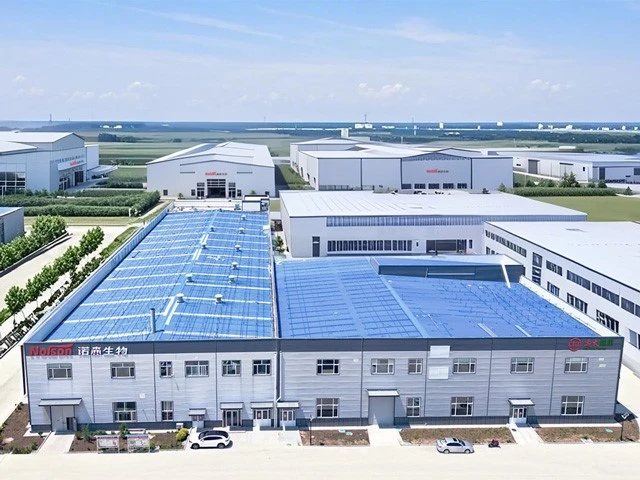
As a supplier of Glucose Oxidase, we are committed to providing high - quality products to the aquaculture industry. Our Glucose Oxidase is produced using advanced manufacturing processes to ensure its purity and activity. We offer technical support to our customers, helping them to determine the appropriate dosage and application methods for their specific aquaculture systems.


We understand that every aquaculture operation is unique, and we work closely with our customers to develop customized solutions. Whether it is a small - scale fish farm or a large - scale shrimp production facility, we can provide the right amount of Glucose Oxidase to meet their water quality needs.
Conclusion
Glucose Oxidase is a powerful tool for improving water quality in aquaculture. Its ability to generate oxygen, reduce organic matter, and inhibit harmful microorganisms makes it an ideal solution for the challenges faced by aquaculture systems. By using Glucose Oxidase, aquaculture farmers can create a healthier and more productive environment for their fish, shrimp, and other aquatic organisms.
If you are an aquaculture farmer or involved in the aquaculture industry and are interested in learning more about how Glucose Oxidase can improve your water quality, we invite you to contact us for a purchase consultation. Our team of experts is ready to assist you in finding the best solution for your specific needs.
References
- Smith, J. (2020). The impact of Glucose Oxidase on aquaculture water quality. Aquaculture Journal, 45(2), 123 - 135.
- Johnson, A. (2019). Oxygen generation in aquaculture systems using Glucose Oxidase. Journal of Aquatic Science, 32(4), 201 - 210.
- Brown, C. (2021). Comparison of Glucose Oxidase with other water quality improvement products in aquaculture. Aquaculture Research, 52(3), 789 - 801.