


As a supplier of Lactobacillus Casei, I've spent a great deal of time exploring the stability of this remarkable probiotic in various environmental conditions. Lactobacillus Casei is a well - known lactic acid bacterium that offers numerous health benefits, including improved digestion, enhanced immune function, and better gut health. However, its effectiveness can be greatly influenced by the environment in which it exists.
Temperature and Lactobacillus Casei Stability
Temperature is one of the most critical factors affecting the stability of Lactobacillus Casei. Generally, Lactobacillus Casei thrives in a relatively narrow temperature range. It is a mesophilic bacterium, which means it grows best at moderate temperatures, typically between 25°C and 40°C.
At lower temperatures, the metabolic activity of Lactobacillus Casei slows down significantly. Refrigeration temperatures around 4°C can be used for short - term storage. In this environment, the bacteria enter a dormant state, and their growth rate is extremely low. This is beneficial for preserving the viability of the probiotic during transportation and storage. However, if the temperature drops too low, for example, to freezing temperatures, ice crystals can form within the bacterial cells. These ice crystals can rupture the cell membranes, leading to cell death and a significant reduction in the number of viable bacteria.
On the other hand, high temperatures can also be detrimental to Lactobacillus Casei. When exposed to temperatures above 45°C, the proteins and enzymes within the bacterial cells start to denature. Enzymes are essential for the metabolic processes of the bacteria, such as energy production and nutrient utilization. Once these enzymes are denatured, the bacteria lose their ability to function properly and eventually die. For instance, in a hot climate or during improper storage in a non - air - conditioned environment, the viability of Lactobacillus Casei products can decline rapidly.
pH and Lactobacillus Casei Stability
The pH of the environment also plays a crucial role in the stability of Lactobacillus Casei. Lactobacillus Casei is an acid - tolerant bacterium. It can survive and even grow in slightly acidic conditions, with an optimal pH range between 5.5 and 6.5.
In the human gut, the acidic environment of the stomach can pose a challenge to the survival of Lactobacillus Casei. However, some strains of Lactobacillus Casei have developed mechanisms to withstand the low pH of the stomach. They can produce certain proteins and metabolites that help protect the cell membrane and maintain the internal pH of the cell. Once they reach the more neutral or slightly acidic environment of the small intestine, they can start to grow and colonize.
In food products, the pH can vary widely. For example, in yogurt, which is a common carrier of probiotics, the pH is usually around 4.0 - 4.5. Lactobacillus Casei can generally tolerate this level of acidity, but over time, the acidic environment can still have a negative impact on its viability. If the pH of a food product is too low, say below 3.5, the bacteria may not be able to survive for an extended period. Similarly, in an alkaline environment (pH > 7.5), the cell membrane of Lactobacillus Casei can be damaged, and the bacteria may lose their viability.
Oxygen and Lactobacillus Casei Stability
Lactobacillus Casei is a facultative anaerobe, which means it can grow in both the presence and absence of oxygen. However, its growth and stability are affected by the oxygen concentration in the environment.
In the presence of oxygen, Lactobacillus Casei can undergo aerobic respiration to a certain extent. But oxygen can also generate reactive oxygen species (ROS) within the bacterial cells. ROS, such as superoxide anions and hydrogen peroxide, are highly reactive and can damage the DNA, proteins, and lipids of the bacteria. To counteract the harmful effects of ROS, Lactobacillus Casei has antioxidant defense mechanisms. It can produce enzymes like superoxide dismutase and catalase, which help convert ROS into less harmful substances.
In an anaerobic environment, Lactobacillus Casei mainly relies on fermentation for energy production. Anaerobic conditions are often more favorable for the long - term stability of Lactobacillus Casei. For example, in sealed containers or in the gut, where the oxygen concentration is low, the bacteria can maintain their viability for a longer time.
Comparison with Other Lactobacillus Species
When considering the stability of Lactobacillus Casei, it's interesting to compare it with other related Lactobacillus species, such as Lactobacillus Fermentum, Lactobacillus Paracasei, and Lactobacillus Plantarum.
Lactobacillus Fermentum is also a probiotic bacterium. It has a relatively high tolerance to acidic conditions and can survive well in the gut. However, its temperature tolerance may differ from that of Lactobacillus Casei. Some strains of Lactobacillus Fermentum can grow at slightly higher temperatures than Lactobacillus Casei.
Lactobacillus Paracasei is closely related to Lactobacillus Casei. They share many similarities in terms of their physiological characteristics and health benefits. However, Lactobacillus Paracasei may have a different response to oxygen. Some studies suggest that Lactobacillus Paracasei is more sensitive to oxygen compared to Lactobacillus Casei, which means it may require more strict anaerobic conditions for long - term storage.
Lactobacillus Plantarum is known for its wide range of environmental adaptability. It can survive in various food matrices and has a relatively high tolerance to different pH and temperature conditions. Compared to Lactobacillus Casei, Lactobacillus Plantarum may be more stable in some harsh environments, such as in highly acidic or high - salt food products.

Implications for the Supply Chain
As a Lactobacillus Casei supplier, understanding the stability of this probiotic in different environmental conditions is crucial for ensuring the quality of our products. During the production process, we need to control the temperature, pH, and oxygen levels carefully. For example, during fermentation, we maintain the temperature within the optimal range for the growth of Lactobacillus Casei to ensure a high yield of viable bacteria.
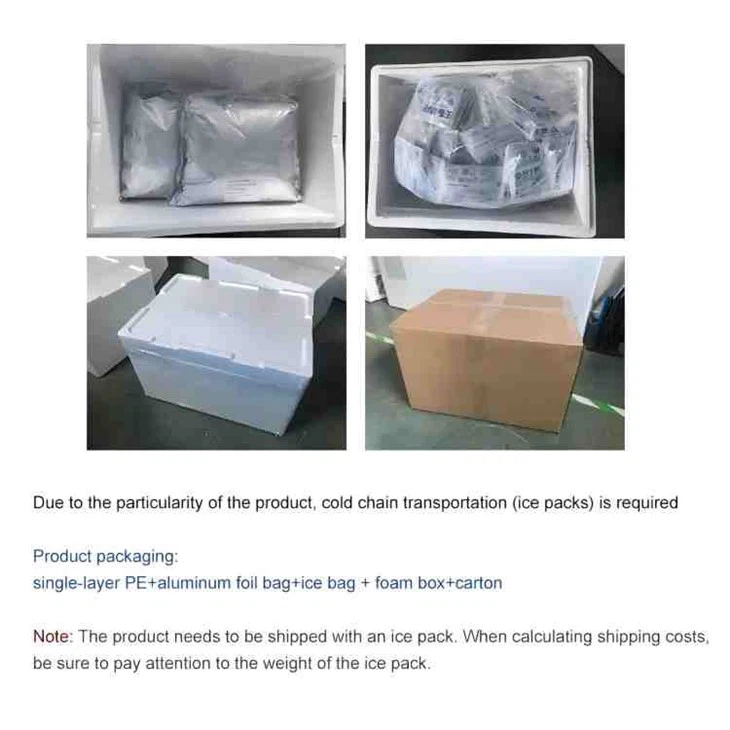
In the packaging stage, we use materials that can provide a suitable environment for the bacteria. For example, we may use oxygen - impermeable packaging to reduce the exposure of the bacteria to oxygen. We also label our products with proper storage instructions, such as refrigeration requirements, to ensure that the customers can maintain the viability of the probiotic until consumption.
Conclusion and Call to Action
In conclusion, Lactobacillus Casei has a certain degree of stability in different environmental conditions, but it also has its limitations. Temperature, pH, and oxygen are the key factors that can affect its viability. By understanding these factors, we can take appropriate measures to ensure the quality and effectiveness of our Lactobacillus Casei products.
If you are interested in purchasing high - quality Lactobacillus Casei products, we are here to provide you with the best solutions. We have extensive experience in producing and supplying probiotics, and we can offer customized products according to your specific requirements. Whether you are a food manufacturer looking to add probiotics to your products or a distributor interested in expanding your product line, we would be delighted to have a discussion with you. Contact us to start a procurement negotiation and discover how our Lactobacillus Casei can meet your needs.
References
- Salminen, S., & von Wright, A. (1998). Lactic acid bacteria and human health. Marcel Dekker.
- Sanders, M. E., & Huis in't Veld, J. H. (1999). Probiotics that modify disease risk. British Journal of Nutrition, 81(Suppl 1), S147 - S171.
- Guarner, F., & Malagelada, J. R. (2003). Gut flora in health and disease. The Lancet, 361(9356), 512 - 519.