


Paecilomyces Lilacinus is a well - known biological control agent that has gained significant popularity in organic farming. As a supplier of Paecilomyces Lilacinus, I am often asked about the requirements for using this beneficial fungus in organic farming. In this blog, I will delve into the various aspects of using Paecilomyces Lilacinus, including its benefits, application methods, environmental requirements, and safety considerations.
Benefits of Paecilomyces Lilacinus in Organic Farming
Paecilomyces Lilacinus is a naturally occurring soil fungus that has shown great potential in controlling plant - parasitic nematodes. Nematodes are microscopic worms that can cause severe damage to plant roots, leading to reduced crop yields, stunted growth, and increased susceptibility to other diseases. By using Paecilomyces Lilacinus, farmers can reduce their reliance on chemical pesticides, which is in line with the principles of organic farming.
This fungus works by infecting and parasitizing nematode eggs, juveniles, and adults. Once it comes into contact with a nematode, it attaches to the cuticle or eggshell and secretes enzymes that break down the protective layers. Then, it penetrates the nematode's body and consumes its nutrients, ultimately killing the nematode. This biological control mechanism is highly specific to nematodes and has minimal impact on beneficial organisms in the soil, such as earthworms, beneficial bacteria, and fungi.
In addition to nematode control, Paecilomyces Lilacinus can also improve soil health. It helps to decompose organic matter in the soil, releasing nutrients that are essential for plant growth. Moreover, it can form symbiotic relationships with plant roots, enhancing the plant's ability to absorb water and nutrients from the soil.
Application Methods
There are several ways to apply Paecilomyces Lilacinus in organic farming, and the choice of method depends on various factors such as the type of crop, the severity of nematode infestation, and the farming system.
Soil Application
One of the most common methods is soil application. Paecilomyces Lilacinus can be mixed with organic fertilizers, compost, or other soil amendments and then incorporated into the soil before planting. This ensures that the fungus is evenly distributed in the root zone, where it can come into contact with nematodes. For large - scale farming, the fungus can be applied using a broadcast spreader or a fertilizer applicator. For small - scale or home gardening, it can be mixed with the soil by hand.
Seed Treatment
Another effective method is seed treatment. The Paecilomyces Lilacinus formulation can be mixed with a small amount of water to form a slurry, and then the seeds can be coated with this slurry. This protects the seeds and young seedlings from nematode attack during the early stages of growth. After planting, the fungus will grow along with the roots and continue to provide nematode control.
Drip Irrigation
In modern farming systems, drip irrigation is a popular method for applying Paecilomyces Lilacinus. The fungus can be dissolved in water and then injected into the drip irrigation system. This allows for precise application of the fungus directly to the root zone, ensuring maximum contact with nematodes. It is also a convenient method for large - scale farms, as it can be easily integrated into the existing irrigation infrastructure.
Environmental Requirements
Paecilomyces Lilacinus has certain environmental requirements for optimal growth and activity.
Temperature
The fungus grows best at temperatures between 20 - 30°C (68 - 86°F). At lower temperatures, its growth and activity are significantly reduced, while at higher temperatures, it may be damaged. Therefore, it is important to consider the temperature conditions when applying Paecilomyces Lilacinus. In regions with cold climates, it may be necessary to apply the fungus during the warmer months or use protective measures such as mulching to maintain a suitable soil temperature.
Moisture
Moisture is also crucial for the survival and activity of Paecilomyces Lilacinus. The soil should be kept moderately moist, but not waterlogged. Excessive moisture can lead to poor oxygen availability in the soil, which can inhibit the growth of the fungus. On the other hand, drought conditions can cause the fungus to become dormant or die. Therefore, proper irrigation management is essential to ensure the success of Paecilomyces Lilacinus application.
Soil pH
Paecilomyces Lilacinus prefers a slightly acidic to neutral soil pH range of 6.0 - 7.5. Extreme pH values can affect the growth and activity of the fungus. If the soil pH is too high or too low, it may be necessary to adjust it using lime or sulfur before applying the fungus.
Compatibility with Other Agricultural Inputs
When using Paecilomyces Lilacinus in organic farming, it is important to consider its compatibility with other agricultural inputs.
Organic Fertilizers
Paecilomyces Lilacinus is generally compatible with most organic fertilizers, such as compost, manure, and bone meal. In fact, mixing it with organic fertilizers can provide a good source of nutrients for the fungus and enhance its growth and activity. However, it is important to ensure that the organic fertilizers are not contaminated with harmful chemicals or pathogens that could affect the fungus.
Other Microbial Agents
There are other microbial agents available in the market, such as Trichoderma Harzianum (Agricultural) and High Activity EM Bacteria. Paecilomyces Lilacinus can be used in combination with these agents to achieve better pest and disease control and soil health improvement. However, it is advisable to test the compatibility of different microbial agents before large - scale application, as some combinations may have negative interactions.
Pesticides
In organic farming, the use of chemical pesticides is restricted. If there is a need to use pesticides, it is important to choose products that are compatible with Paecilomyces Lilacinus. Some pesticides may have a negative impact on the fungus, so it is necessary to read the product labels carefully and follow the recommended application intervals.
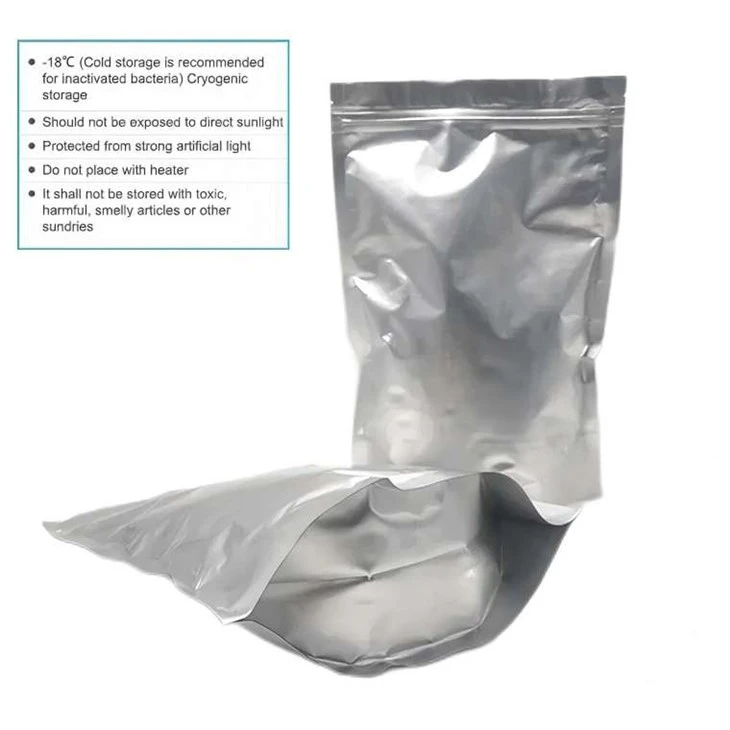

Safety Considerations
Paecilomyces Lilacinus is generally considered safe for humans, animals, and the environment. It is a naturally occurring fungus that has been used in agriculture for many years without significant safety concerns. However, as with any biological agent, it is important to take some precautions during handling and application.
When handling Paecilomyces Lilacinus products, it is recommended to wear protective clothing, gloves, and a mask to avoid inhalation or contact with the skin. After application, it is important to wash hands thoroughly with soap and water.
Conclusion
Paecilomyces Lilacinus is a valuable tool in organic farming, offering effective nematode control and soil health improvement. To use it successfully, farmers need to understand its benefits, application methods, environmental requirements, compatibility with other inputs, and safety considerations. By following these requirements, farmers can maximize the effectiveness of Paecilomyces Lilacinus and achieve sustainable and healthy crop production.
If you are interested in purchasing Paecilomyces Lilacinus for your organic farm, please feel free to contact us for more information and to start a procurement negotiation. We are committed to providing high - quality products and excellent customer service to help you achieve your farming goals.
References
- Stirling, G. R. (2014). Biological control of plant - parasitic nematodes: a global perspective. CAB International.
- Kerry, B. R. (2000). Fungal parasites of nematodes: a review of their biology, ecology, and potential for biological control. Biocontrol Science and Technology, 10(4), 363 - 384.
- Siddiqui, Z. A., & Mahmood, I. (1996). Paecilomyces lilacinus: potential for biological control of root - knot nematodes. Nematologia Mediterranea, 24(1), 37 - 40.