


Can Bacillus Pumilus be used in the production of cosmetics?
In the ever - evolving world of cosmetics, the search for innovative and effective ingredients is a continuous journey. As a supplier of Bacillus Pumilus, I've often been asked about the potential of this microorganism in cosmetic production. In this blog, we'll explore the scientific aspects, potential benefits, and considerations regarding the use of Bacillus Pumilus in cosmetics.
Understanding Bacillus Pumilus
Bacillus Pumilus is a Gram - positive, aerobic, spore - forming bacterium. It is widely distributed in nature, found in soil, water, and even in some food products. Bacillus Pumilus has been studied for various applications, primarily in the fields of agriculture, biotechnology, and environmental science.
In agriculture, it has shown promise as a plant - growth promoting rhizobacterium, helping plants to better absorb nutrients and resist diseases. In biotechnology, its enzymes have been harnessed for industrial processes such as biofuel production and waste treatment. However, its potential in the cosmetics industry is a relatively new area of exploration.
Potential Benefits in Cosmetics
Antioxidant Properties
One of the key aspects of cosmetics is their ability to protect the skin from oxidative stress. Oxidative stress is caused by free radicals, which can damage skin cells, leading to premature aging, wrinkles, and other skin problems. Bacillus Pumilus produces various enzymes, including superoxide dismutase (SOD) and catalase. These enzymes are powerful antioxidants that can neutralize free radicals in the skin.
SOD converts superoxide anions into hydrogen peroxide, and catalase then breaks down hydrogen peroxide into water and oxygen. By reducing the levels of free radicals, Bacillus Pumilus can help maintain the health and youthfulness of the skin. Incorporating products containing these antioxidant enzymes can potentially slow down the aging process and improve the overall appearance of the skin.
Anti - inflammatory Effects
Inflammation is a common skin problem that can cause redness, swelling, and discomfort. It can be triggered by various factors such as allergies, UV radiation, and pollution. Some strains of Bacillus Pumilus have been found to produce anti - inflammatory compounds. These compounds can help reduce the inflammatory response in the skin, providing relief for conditions like acne, eczema, and psoriasis.
For example, certain peptides produced by Bacillus Pumilus can inhibit the production of pro - inflammatory cytokines, which are molecules that play a key role in the inflammatory process. By modulating the immune response in the skin, these anti - inflammatory agents can promote a healthier skin environment.
Moisturizing and Barrier Function
The skin's natural barrier function is essential for keeping moisture in and preventing the entry of harmful substances. Bacillus Pumilus can contribute to the improvement of this barrier function. It can produce extracellular polysaccharides, which form a protective layer on the skin surface.
This layer helps to retain moisture, making the skin feel softer and smoother. Additionally, it can enhance the integrity of the skin barrier, reducing water loss and protecting the skin from external irritants. As a result, cosmetics containing Bacillus Pumilus or its metabolites may be effective in treating dry and sensitive skin.
Safety Considerations
When considering the use of any microorganism in cosmetics, safety is of utmost importance. Bacillus Pumilus is generally considered to be a non - pathogenic bacterium. However, as with any biological ingredient, there are still some potential risks that need to be addressed.
Allergic Reactions
Although rare, some individuals may be allergic to Bacillus Pumilus or its metabolites. Before using cosmetics containing this bacterium, it is recommended to conduct a patch test on a small area of the skin. This can help identify any potential allergic reactions and ensure the safety of the product.
Contamination and Quality Control
During the production process, strict quality control measures need to be in place to prevent contamination. Spores of Bacillus Pumilus are highly resistant to heat, chemicals, and desiccation. Therefore, proper sterilization and purification steps are necessary to ensure that the final cosmetic product is free from any harmful contaminants.
Comparison with Other Bacillus Species
In the realm of cosmetic applications, other Bacillus species have also been explored. Bacillus Mucilaginosus Krassilnikov and Bacillus Megaterium are two such examples.

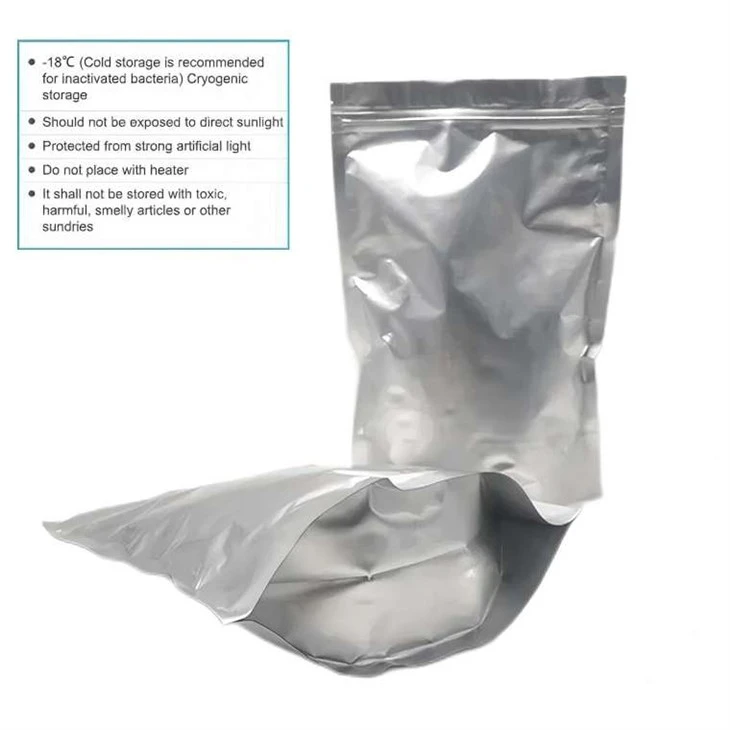
Bacillus Mucilaginosus Krassilnikov is known for its ability to solubilize phosphorus and potassium in the soil. While its potential in cosmetics is less well - studied, it may have some applications in promoting skin cell metabolism due to its role in nutrient cycling.
Bacillus Megaterium has been investigated for its production of various bioactive compounds, including antibiotics and enzymes. In cosmetics, it may offer similar benefits to Bacillus Pumilus in terms of antioxidant and anti - inflammatory properties. However, each species has its own unique characteristics, and the choice of which to use in cosmetics depends on the specific requirements of the product.
Conclusion
The use of Bacillus Pumilus in the production of cosmetics shows great promise. Its antioxidant, anti - inflammatory, and moisturizing properties make it an attractive ingredient for developing innovative cosmetic products. However, further research is needed to fully understand its potential and to address the safety concerns.
As a supplier of Bacillus Pumilus, I am committed to providing high - quality products that meet the strictest safety and quality standards. If you are a cosmetic manufacturer interested in exploring the use of Bacillus Pumilus in your products, I invite you to contact me for more information and to discuss potential procurement opportunities. Together, we can contribute to the development of the next generation of effective and safe cosmetics.
References
- [1] Some scientific study on the antioxidant enzymes of Bacillus Pumilus
- [2] Research on the anti - inflammatory effects of Bacillus Pumilus peptides
- [3] Studies on the extracellular polysaccharides produced by Bacillus Pumilus for skin barrier function improvement