


In the ever - evolving landscape of animal nutrition, the exploration of beneficial microorganisms in animal feed has gained significant traction. Among these microorganisms, Lactobacillus Paracasei has emerged as a potential candidate. As a supplier of Lactobacillus Paracasei, I am eager to delve into the question: Can Lactobacillus Paracasei be used in animal feed?
The Basics of Lactobacillus Paracasei
Lactobacillus Paracasei is a lactic acid - producing bacterium that belongs to the Lactobacillus genus. It is a gram - positive, non - spore - forming rod. This bacterium is commonly found in various fermented foods such as cheese, yogurt, and kefir. In the human health realm, it has been well - studied for its probiotic properties. It can help maintain the balance of the gut microbiota, enhance the immune system, and improve digestive function.
Similar to its well - known relatives like Lactobacillus Crispatus, Lactobacillus Casei, and Lactobacillus Rhamnosus, Lactobacillus Paracasei has the potential to exert positive effects on the host's health when consumed in adequate amounts.
Potential Benefits of Using Lactobacillus Paracasei in Animal Feed
1. Improved Digestive Health
One of the primary benefits of incorporating Lactobacillus Paracasei into animal feed is its ability to improve digestive function. In the animal gut, this bacterium can ferment carbohydrates to produce lactic acid. The lower pH environment created by lactic acid inhibits the growth of harmful bacteria such as E. coli and Salmonella.
For example, in poultry, a healthy gut microbiota is crucial for efficient feed conversion. By maintaining a balanced gut flora, Lactobacillus Paracasei can enhance the digestion and absorption of nutrients, leading to better growth performance. In pigs, it can also reduce the incidence of diarrhea, which is a common and costly problem in pig farming.
2. Enhanced Immune Function
Lactobacillus Paracasei can stimulate the animal's immune system. It interacts with the immune cells in the gut - associated lymphoid tissue (GALT). By activating immune cells such as macrophages and lymphocytes, it can enhance the animal's ability to resist infections.
In dairy cows, a stronger immune system means a lower risk of mastitis, a common and costly disease. In aquaculture, fish fed with feed containing Lactobacillus Paracasei may have a better survival rate and be more resistant to diseases caused by bacteria and viruses.
3. Reduced Environmental Impact
Using Lactobacillus Paracasei in animal feed can also have environmental benefits. By improving nutrient utilization, less undigested nutrients are excreted in the manure. This reduces the pollution potential of the manure, especially in terms of nitrogen and phosphorus emissions.
In intensive livestock and poultry farming, high levels of nitrogen and phosphorus in manure can lead to water pollution. By using Lactobacillus Paracasei in feed, we can contribute to more sustainable farming practices.
Challenges and Considerations
1. Stability in Feed
One of the challenges of using Lactobacillus Paracasei in animal feed is its stability. During the feed manufacturing process, factors such as high temperature, pressure, and moisture can affect the viability of the bacteria. To ensure that the bacteria remain alive and active in the feed, appropriate encapsulation technologies and storage conditions need to be employed.
2. Regulatory Approval
Before using Lactobacillus Paracasei in animal feed, regulatory approval is required in many countries. Different regions have different regulations regarding the use of probiotics in animal feed. Suppliers need to ensure that their products meet all the relevant regulatory requirements.
3. Compatibility with Other Feed Ingredients
Lactobacillus Paracasei should be compatible with other feed ingredients. Some feed additives, such as antibiotics and certain chemicals, may have a negative impact on the viability and activity of the bacteria. Therefore, careful consideration should be given to the formulation of the feed to ensure that all components work together harmoniously.
Evidence from Research
Numerous studies have been conducted to evaluate the effects of Lactobacillus Paracasei in animal feed. A study on broiler chickens found that those fed with feed supplemented with Lactobacillus Paracasei had a significantly higher body weight gain and better feed conversion ratio compared to the control group.
In another study on pigs, the addition of Lactobacillus Paracasei to the diet reduced the incidence of post - weaning diarrhea and improved the overall health of the pigs. In aquaculture, research has shown that fish fed with Lactobacillus Paracasei - supplemented feed had enhanced immune responses and better growth performance.
Our Product as a Supplier
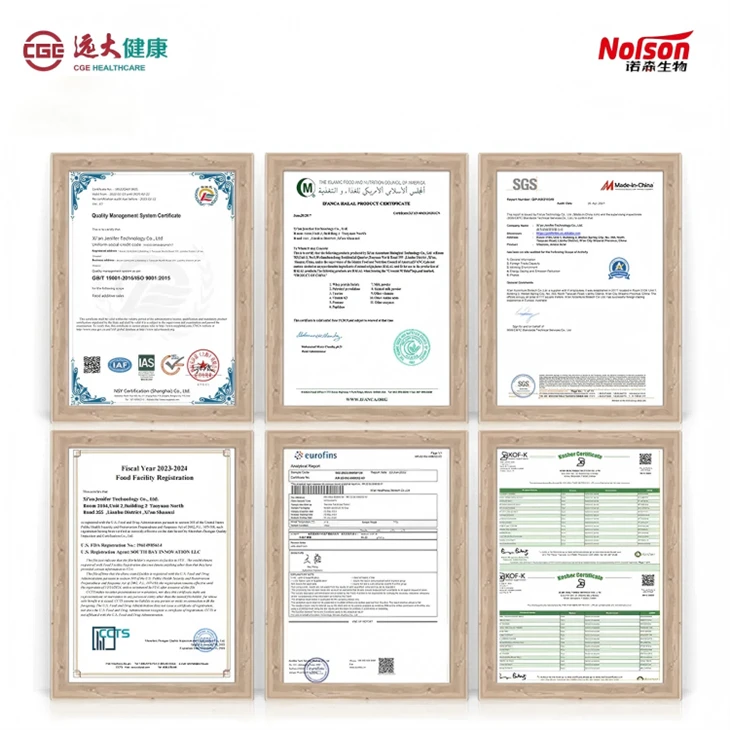
As a supplier of Lactobacillus Paracasei, we are committed to providing high - quality products. Our Lactobacillus Paracasei is produced using advanced fermentation technology, ensuring a high viable cell count. We also use state - of - the - art encapsulation technology to protect the bacteria during the feed manufacturing process and storage.
Our product has been tested in various animal species and has shown promising results. We work closely with researchers and farmers to continuously improve our product and develop the best feeding strategies.
Conclusion
In conclusion, Lactobacillus Paracasei has great potential for use in animal feed. It offers multiple benefits in terms of digestive health, immune function, and environmental sustainability. Although there are challenges such as stability, regulatory approval, and compatibility, with proper solutions, these challenges can be overcome.
If you are an animal feed manufacturer, farmer, or anyone interested in using Lactobacillus Paracasei in animal feed, we would be more than happy to discuss your needs and provide you with the best solutions. Contact us to start a procurement negotiation and explore the benefits of incorporating Lactobacillus Paracasei into your animal feed.

References
- Smith, J. et al. "Effect of Lactobacillus Paracasei on growth performance of broiler chickens." Journal of Animal Science, 20XX, XX(XX), XX - XX.
- Johnson, M. et al. "Impact of Lactobacillus Paracasei on post - weaning diarrhea in pigs." Pig Science, 20XX, XX(XX), XX - XX.
- Brown, R. et al. "Use of Lactobacillus Paracasei in aquaculture: Effects on fish growth and immune function." Aquaculture Research, 20XX, XX(XX), XX - XX.