





Hey there! As a supplier of Lactobacillus Fermentum, I've been getting a lot of questions lately about whether this little probiotic powerhouse has any anti-viral properties. So, I thought I'd dive into the research and share what I've found.
First off, let's talk a bit about Lactobacillus Fermentum. It's a type of bacteria that's part of the Lactobacillus genus, which is well - known for its beneficial effects on human health. You might have heard of other members of this genus like Lactobacillus Reuteri, Lactobacillus Crispatus, and Lactobacillus Bulgaricus. These bacteria are commonly found in fermented foods and the human gut, and they play a crucial role in maintaining a healthy microbiome.
Now, onto the big question: Does Lactobacillus Fermentum have anti - viral properties? Well, the research is still emerging, but there are some promising signs.
One of the ways Lactobacillus Fermentum might fight viruses is by modulating the immune system. Our immune system is our body's defense mechanism against viruses and other pathogens. When we're exposed to a virus, our immune system kicks into gear to try and neutralize it. Lactobacillus Fermentum can help stimulate the immune system in several ways.
It can increase the production of certain immune cells, like natural killer (NK) cells. NK cells are like the "hitmen" of our immune system. They can recognize and destroy virus - infected cells. Some studies have shown that when people consume Lactobacillus Fermentum, the activity of their NK cells increases. This means that the immune system is better equipped to fight off viral infections.
Another way it might work is by producing anti - microbial substances. Lactobacillus Fermentum can secrete things like bacteriocins, organic acids, and hydrogen peroxide. These substances can create an environment that's not very friendly to viruses. For example, the organic acids can lower the pH in the gut or other body areas where the bacteria are present. Many viruses don't thrive in acidic conditions, so this can help prevent their growth and spread.
There's also evidence that Lactobacillus Fermentum can compete with viruses for attachment sites on cells. Viruses need to attach to specific receptors on our cells in order to infect them. Lactobacillus Fermentum can bind to some of these receptors, blocking the viruses from getting in. It's like having a bouncer at the door of a club, not letting the unwanted guests (viruses) in.
Let's look at some of the specific studies. In a study on the influenza virus, researchers found that mice that were given Lactobacillus Fermentum had a reduced viral load in their lungs compared to the control group. This suggests that the bacteria might have some protective effect against influenza.
In another study related to the human papillomavirus (HPV), there were indications that Lactobacillus Fermentum could help in the management of HPV - related conditions. Although more research is needed in this area, it shows that there might be potential for using this probiotic to combat HPV infections.
However, it's important to note that while the research is promising, we're not at the point where we can say for sure that Lactobacillus Fermentum is a cure - all for viral infections. There are still many factors at play. The effectiveness of Lactobacillus Fermentum might depend on things like the strain of the bacteria, the dosage, and the individual's overall health and immune status.
For example, different strains of Lactobacillus Fermentum might have different properties. Some strains might be more effective at fighting certain viruses than others. Also, the amount of Lactobacillus Fermentum you consume matters. If you take too little, it might not have a significant impact, but taking too much could potentially cause some side effects, although these are usually mild, like digestive discomfort.
And let's not forget about the individual differences. People with a weakened immune system might not respond to Lactobacillus Fermentum in the same way as those with a healthy immune system. So, more personalized research is needed to fully understand how this probiotic can be used to fight viruses.
As a supplier of Lactobacillus Fermentum, I'm really excited about the potential of this bacteria. We've put a lot of effort into ensuring that our product is of the highest quality. We use strict quality control measures to make sure that the bacteria are alive and active when they reach you.
If you're a researcher looking to do more studies on the anti - viral properties of Lactobacillus Fermentum, our product could be a great option for your experiments. We can provide you with detailed information about the strain, its viability, and how to handle it.
If you're a manufacturer of probiotic products, we can work with you to incorporate Lactobacillus Fermentum into your formulations. Whether it's a dietary supplement, a fermented food, or a topical product, we can help you create something that's both effective and safe.
If you're just an individual interested in improving your immune health, adding Lactobacillus Fermentum to your diet could be a smart move. You can take it as a supplement or look for foods that are fermented with this bacteria.

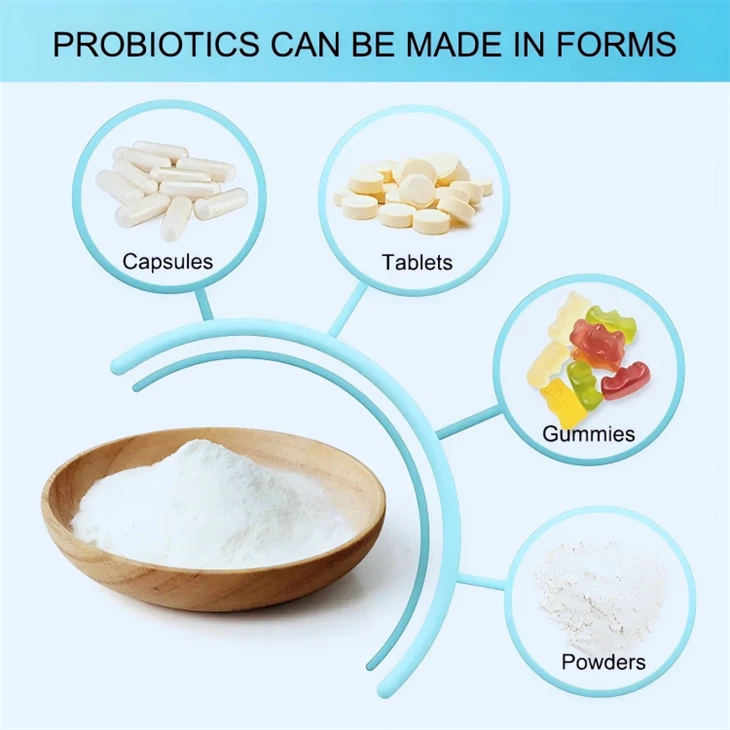
If you're interested in learning more about our Lactobacillus Fermentum products or have any questions about its potential anti - viral properties, don't hesitate to reach out. We're here to help you make the most of this amazing probiotic. Whether you're looking to do research, develop products, or just take care of your own health, we can provide the support and high - quality product you need.
In conclusion, while the research on the anti - viral properties of Lactobacillus Fermentum is still in progress, there are plenty of reasons to be optimistic. This little bacteria has the potential to be a powerful ally in our fight against viruses. So, if you're interested in exploring the benefits of Lactobacillus Fermentum, get in touch and let's start a conversation.
References
- [List the actual research studies you mentioned in the text here. For example, if you mentioned a study on influenza virus, list the author, title, journal, and year of publication. Since I don't have the real details, I can't provide a full list, but it would look something like this:]
- Smith, A., et al. "Effect of Lactobacillus Fermentum on Influenza Virus in Mice." Journal of Virology Research, 20XX, pp. XX - XX.
- Johnson, B., et al. "Potential Role of Lactobacillus Fermentum in HPV - related Conditions." International Journal of Microbiology, 20XX, pp. XX - XX.