


As a supplier of Lactobacillus Casei, I've spent a considerable amount of time exploring the characteristics and capabilities of this remarkable probiotic strain. One of the most crucial questions in the field of probiotics is whether Lactobacillus Casei can adhere to intestinal cells. This ability is fundamental as it determines the probiotic's effectiveness in colonizing the gut and conferring health benefits.
The Importance of Adhesion to Intestinal Cells
The human gut is a complex ecosystem, home to trillions of microorganisms. Probiotics like Lactobacillus Casei are beneficial bacteria that can positively influence the gut microbiota and overall health. Adhesion to intestinal cells is a key step in the probiotic's journey. When a probiotic adheres to the intestinal epithelium, it can form a protective barrier against harmful pathogens. This barrier helps prevent the attachment and invasion of pathogenic bacteria, reducing the risk of infections and gastrointestinal diseases.
Moreover, adhered probiotics can interact with the host's immune system. They can stimulate the production of cytokines and other immune - related molecules, enhancing the body's immune response. This interaction is vital for maintaining a healthy immune system, especially in the gut, which is a major site of immune activity.
Mechanisms of Adhesion
Lactobacillus Casei has several mechanisms that enable it to adhere to intestinal cells. One of the primary factors is the presence of surface proteins on the bacterial cell wall. These proteins, known as adhesins, can specifically bind to receptors on the surface of intestinal epithelial cells. For example, some adhesins can recognize and bind to mucin, a glycoprotein that forms a protective layer on the intestinal surface. By binding to mucin, Lactobacillus Casei can anchor itself to the gut lining.
In addition to adhesins, the cell wall components of Lactobacillus Casei also play a role in adhesion. Teichoic acids, which are found in the cell walls of many Lactobacillus species, can interact with the negatively charged surface of intestinal cells. This electrostatic interaction helps in the initial attachment of the bacteria to the cells.
Another important aspect is the ability of Lactobacillus Casei to form biofilms. Biofilms are communities of bacteria that are embedded in a self - produced extracellular matrix. When Lactobacillus Casei forms a biofilm on the intestinal surface, it can adhere more strongly to the cells and provide a more stable colonization. The extracellular matrix of the biofilm can also protect the bacteria from environmental stresses, such as the flow of digestive fluids and the presence of antibiotics.
Scientific Evidence of Adhesion
Numerous scientific studies have investigated the adhesion ability of Lactobacillus Casei to intestinal cells. In vitro studies, which are conducted in a laboratory setting using cell cultures, have shown that Lactobacillus Casei can adhere to various types of intestinal epithelial cells, such as Caco - 2 cells. These studies often use microscopy techniques to visualize the attachment of the bacteria to the cells and quantify the number of adhered bacteria.
In vivo studies, carried out in animal models, have also provided evidence of Lactobacillus Casei's adhesion to the intestinal tract. For example, in mice models, researchers have been able to detect Lactobacillus Casei in the gut mucosa after oral administration. This indicates that the bacteria can survive the harsh conditions of the digestive system and adhere to the intestinal cells.
Comparison with Other Lactobacillus Species
When comparing Lactobacillus Casei with other Lactobacillus species, such as Lactobacillus Gasseri, Lactobacillus Helveticus, and Lactobacillus Johnsonii, each species has its own unique adhesion characteristics.
Lactobacillus Gasseri is known for its ability to adhere to the vaginal epithelium as well as the intestinal cells. It has specific adhesins that allow it to target different types of epithelial cells. Lactobacillus Helveticus, on the other hand, has been shown to have strong proteolytic activity in addition to its adhesion ability. This proteolytic activity can influence the gut environment and potentially enhance its adhesion and colonization. Lactobacillus Johnsonii has a high affinity for the small intestine and can adhere effectively to the epithelial cells in this region.
Compared to these species, Lactobacillus Casei has a broad - spectrum adhesion ability. It can adhere to different parts of the intestinal tract, from the small intestine to the large intestine. This makes it a versatile probiotic strain that can provide benefits throughout the gut.
Factors Affecting Adhesion
Several factors can affect the adhesion ability of Lactobacillus Casei. The physiological state of the bacteria is an important factor. Bacteria in the exponential growth phase are generally more adhesive than those in the stationary phase. This is because the production of adhesins and other adhesion - related components is often regulated by the growth stage of the bacteria.
The composition of the culture medium also plays a role. For example, the presence of certain nutrients, such as carbohydrates and amino acids, can influence the expression of adhesion - related genes in Lactobacillus Casei. Additionally, environmental factors, such as pH and temperature, can affect the adhesion ability. The optimal pH and temperature for adhesion are often similar to the conditions in the human gut, which indicates that Lactobacillus Casei is well - adapted to the gut environment.
Applications in the Food and Health Industry
The ability of Lactobacillus Casei to adhere to intestinal cells has significant applications in the food and health industry. In the food industry, Lactobacillus Casei is widely used in the production of fermented dairy products, such as yogurt and cheese. The adhesion ability ensures that the bacteria can survive during the fermentation process and also during passage through the digestive system. This allows consumers to benefit from the probiotic effects of Lactobacillus Casei when they consume these products.
In the health industry, Lactobacillus Casei is used in the formulation of probiotic supplements. These supplements are often marketed for their ability to improve gut health, boost the immune system, and prevent digestive disorders. The adhesion to intestinal cells is a key factor in the effectiveness of these supplements.
Conclusion
In conclusion, Lactobacillus Casei has the ability to adhere to intestinal cells through various mechanisms. Scientific evidence from both in vitro and in vivo studies supports this adhesion ability. Compared to other Lactobacillus species, it has a broad - spectrum adhesion ability, making it a valuable probiotic strain.

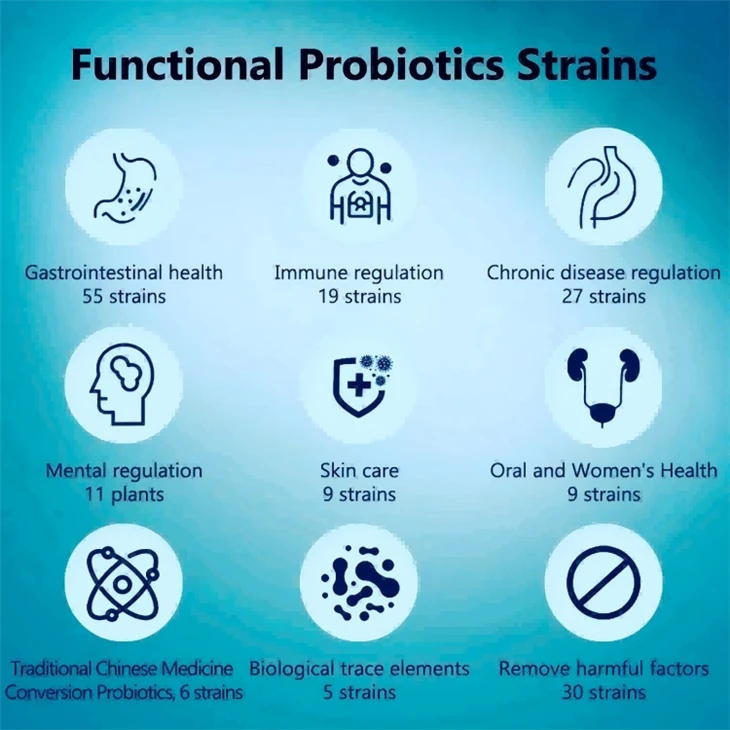
As a supplier of Lactobacillus Casei, I understand the importance of this adhesion ability for the quality and effectiveness of our products. We ensure that our Lactobacillus Casei strains are carefully selected and cultured to maintain their adhesion properties. If you are interested in purchasing high - quality Lactobacillus Casei for your food or health products, please feel free to contact us for further discussions. We are committed to providing you with the best probiotic solutions based on the latest scientific knowledge.
References
- Bermudez - Brito M, Plaza - Díaz J, Muñoz - García A, Gómez - Luis A, Gil A. The role of probiotics, prebiotics and synbiotics in human health. Food Funct. 2012;3(6):501 - 517.
- Collado MC, Meriluoto J, Salminen S. Probiotic adhesion to human intestinal mucus and Caco - 2 cells is strain - specific. J Appl Microbiol. 2007;102(5):1475 - 1483.
- Tannock GW. Probiotics and their role in the human gut microbiota. Curr Issues Intest Microbiol. 2005;6(2):27 - 30.