


The color of marine red yeast is a fascinating topic that not only piques the curiosity of scientific enthusiasts but also holds significant importance in various industries, especially in the realm of animal health and aquaculture. As a supplier of marine red yeast, I have delved deep into the details of this unique product, and I'm excited to share my knowledge with you.

Understanding Marine Red Yeast
Marine red yeast is a type of yeast that thrives in marine environments. It belongs to the group of microorganisms that have adapted to the high - salt, high - pressure, and nutrient - rich conditions of the ocean. This yeast is known for its rich nutritional profile, containing a variety of vitamins, minerals, amino acids, and pigments.
The most prominent feature of marine red yeast is its color. Typically, marine red yeast appears red to reddish - brown. This distinct color is primarily due to the presence of carotenoids. Carotenoids are a class of natural pigments that are widely distributed in nature. In marine red yeast, the main carotenoids responsible for the color are astaxanthin and its derivatives.
Astaxanthin is a powerful antioxidant. It has a bright red color and is known for its numerous health benefits. In the case of marine red yeast, the synthesis of astaxanthin is a result of the yeast's metabolic processes. The yeast produces astaxanthin as a defense mechanism against environmental stressors such as high - intensity light, oxidative stress, and nutrient limitations in the marine environment.
The Science Behind the Color
The chemical structure of astaxanthin plays a crucial role in determining its color. Astaxanthin has a long conjugated double - bond system. This system allows the molecule to absorb light in the blue - green region of the visible spectrum. As a result, the light that is reflected or transmitted appears red, giving the marine red yeast its characteristic color.
The amount of astaxanthin and other carotenoids in marine red yeast can vary depending on several factors. These include the strain of the yeast, the growth conditions, and the nutrient availability during cultivation. For example, yeasts grown in environments with higher light intensity or specific nutrient supplements may produce more astaxanthin, resulting in a deeper red color.
Applications of Marine Red Yeast
The unique color and nutritional properties of marine red yeast make it a valuable product in several industries.
Aquaculture
In aquaculture, marine red yeast is widely used as a feed additive. The red color of the yeast can enhance the pigmentation of fish and shrimp. For example, salmon and trout are known to develop a more vibrant pink - red color in their flesh when fed with diets containing marine red yeast. This is not only aesthetically appealing to consumers but also indicates a higher quality product.
Moreover, the astaxanthin in marine red yeast provides antioxidant protection to the aquatic animals. It helps to boost their immune system, improve their growth performance, and increase their resistance to diseases.
Animal Health
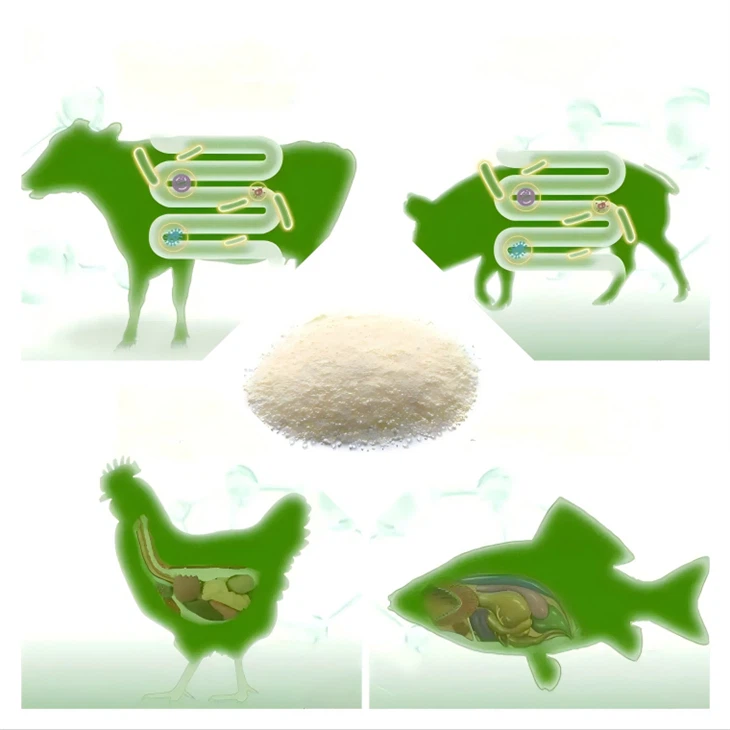
Marine red yeast is also used in the animal health industry. It can be incorporated into the diets of livestock and poultry. The antioxidants in the yeast can help to reduce oxidative stress in animals, which is associated with various health problems such as inflammation, aging, and reduced fertility.
In addition to its antioxidant properties, marine red yeast can also improve the digestibility of feed. It contains enzymes and other bioactive substances that can enhance the breakdown and absorption of nutrients in the animal's digestive tract.
Comparison with Other Yeast Products
When compared to other yeast products such as Saccharomyces Boulardii, Lactic Acid Yeast Source, and Enterococcus Faecalis, marine red yeast stands out due to its unique color and astaxanthin content.
Saccharomyces Boulardii is a probiotic yeast that is mainly used for its beneficial effects on the gut microbiota. It helps to maintain a healthy balance of bacteria in the gut and can be used to treat diarrhea and other gastrointestinal disorders. However, it does not have the characteristic red color of marine red yeast and lacks the high levels of astaxanthin.
Lactic Acid Yeast Source is often used in the production of fermented foods and as a feed additive to improve the fermentation process and the nutritional value of feed. It has different metabolic characteristics and does not produce the same pigments as marine red yeast.
Enterococcus Faecalis is a bacterium that is sometimes used as a probiotic. It has its own set of health - promoting properties, but again, it does not share the color and astaxanthin - related benefits of marine red yeast.
Quality Control and Supply
As a supplier of marine red yeast, quality control is of utmost importance. We ensure that our marine red yeast products have a consistent color and high astaxanthin content. This is achieved through strict cultivation and harvesting processes.
We carefully select the yeast strains with the highest astaxanthin - producing capabilities. During the cultivation process, we monitor and control the environmental conditions such as temperature, light, and nutrient levels to optimize the production of astaxanthin. After harvesting, we use advanced extraction and purification techniques to obtain a high - quality product.
Why Choose Our Marine Red Yeast
Our marine red yeast products offer several advantages. Firstly, the vibrant red color indicates a high astaxanthin content, which means better pigmentation and health benefits for the animals. Secondly, our products are produced under strict quality control measures, ensuring their safety and efficacy.
We also offer customized solutions to meet the specific needs of our customers. Whether you are an aquaculture farm looking to enhance the color of your fish or a livestock producer aiming to improve the health of your animals, we can provide the right marine red yeast product for you.
Contact Us for Procurement
If you are interested in learning more about our marine red yeast products or would like to discuss procurement opportunities, we encourage you to reach out to us. Our team of experts is ready to answer your questions and provide you with detailed information about our products. We believe that our marine red yeast can bring significant value to your business, and we look forward to establishing a long - term partnership with you.
References
- Britton, G., Liaaen - Jensen, S., & Pfander, H. (Eds.). (2004). Carotenoids: Volume 1A: Isolation and analysis. Birkhäuser Verlag.
- Finkel, T., & Holbrook, N. J. (2000). Oxidants, oxidative stress and the biology of ageing. Nature, 408(6809), 239 - 247.
- Naguib, Y. M. A. (2000). Astaxanthin, a carotenoid with potential in human health and nutrition. Journal of the American College of Nutrition, 19(5), 449S - 462S.