


Hey there! As a Lactobacillus Casei supplier, I often get asked about the best conditions for its growth. One of the most common questions is, "What is the optimal temperature for Lactobacillus Casei growth?" Well, let's dive right into it.
First off, let's understand a bit about Lactobacillus Casei. It's a type of probiotic bacteria that's found in various dairy products and the human gut. Probiotics are like the good guys in our body, helping to keep our digestive system in tip - top shape. Lactobacillus Casei has been linked to a bunch of health benefits, such as improving digestion, boosting the immune system, and even helping with lactose intolerance.
Now, onto the temperature part. Temperature plays a crucial role in the growth of bacteria. Just like us humans, bacteria have a comfort zone where they thrive the best. For Lactobacillus Casei, the optimal temperature range is typically between 30°C and 37°C (86°F - 98.6°F). This range is pretty close to the normal human body temperature, which makes sense since Lactobacillus Casei can naturally reside in our gut.
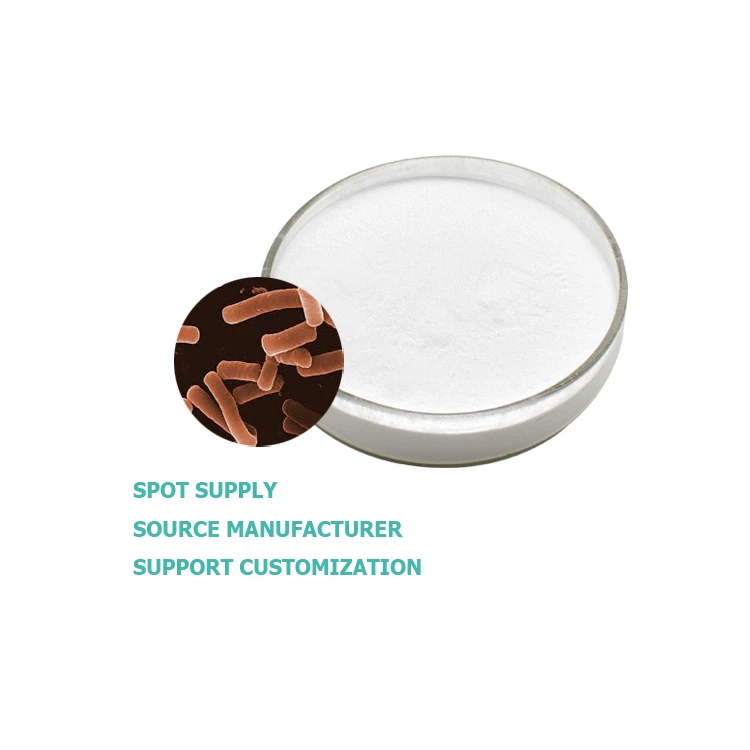

At temperatures around 30°C, the bacteria grow at a steady pace. The metabolic processes within the bacteria are functioning well, and they're able to reproduce and multiply. However, if the temperature drops below this range, say to around 20°C (68°F), the growth rate slows down significantly. The enzymes that are responsible for the bacteria's metabolic activities become less active, and the overall growth is stunted.
On the other hand, if the temperature goes above 37°C, things start to get a bit dicey. While Lactobacillus Casei can tolerate slightly higher temperatures for a short period, prolonged exposure to temperatures above 40°C (104°F) can be harmful. High temperatures can denature the proteins and enzymes within the bacteria, which are essential for their survival and growth. This can lead to a decrease in the number of viable bacteria and even their death.
It's also important to note that different strains of Lactobacillus Casei might have slightly different optimal temperature ranges. Some strains might be more heat - tolerant, while others might be more sensitive to temperature changes. So, when we're culturing Lactobacillus Casei in a lab or in a production setting, we need to take these differences into account.
Now, let's compare Lactobacillus Casei with some other well - known lactobacillus species. For example, Lactobacillus Helveticus has an optimal growth temperature around 40 - 45°C. This higher temperature preference is related to its natural habitat and the specific metabolic pathways it uses. Lactobacillus Acidophilus has an optimal temperature range similar to Lactobacillus Casei, around 30 - 37°C. And Lactobacillus Rhamnosus also prefers temperatures in the range of 30 - 37°C, which is why these species are often used together in probiotic products.
In a production environment, maintaining the optimal temperature is crucial for getting a high - quality Lactobacillus Casei product. We use sophisticated temperature control systems to make sure that the bacteria are growing in the best possible conditions. This not only ensures a high yield of viable bacteria but also maintains their functionality and health benefits.
When it comes to storing Lactobacillus Casei products, temperature is also a key factor. Most probiotic products containing Lactobacillus Casei need to be stored in the refrigerator at around 2 - 8°C (36 - 46°F). This low temperature slows down the metabolic activity of the bacteria, extending their shelf - life. But if the product is exposed to higher temperatures during storage or transportation, the bacteria can start to die off, reducing the effectiveness of the probiotic.
Another aspect to consider is the temperature during the fermentation process. Fermentation is how we produce a lot of the Lactobacillus Casei products, like yogurt and other fermented dairy products. During fermentation, the temperature needs to be carefully controlled to achieve the right balance of acid production and bacterial growth. If the temperature is too low, the fermentation process will take longer, and the product might not have the desired texture and flavor. If the temperature is too high, the fermentation can happen too quickly, leading to an overly acidic product and a decrease in the number of viable bacteria.
So, as a Lactobacillus Casei supplier, we're constantly monitoring and controlling the temperature at every stage of the production process. From the initial culturing of the bacteria to the final packaging and storage of the products, temperature plays a vital role in ensuring that our customers get a high - quality probiotic product.
If you're interested in purchasing Lactobacillus Casei products for your business, whether it's for making probiotic supplements or fermented foods, we're here to help. We have a wide range of high - quality Lactobacillus Casei strains that are carefully selected and produced under strict temperature - controlled conditions. Our products are guaranteed to have a high number of viable bacteria and excellent functionality.
If you have any questions or want to discuss your specific needs, feel free to reach out. We're always happy to have a chat and help you find the best Lactobacillus Casei solution for your business.
References
- Salminen, S., Gueimonde, M., & Ouwehand, A. C. (2005). Probiotics: From Metchnikoff to bioactive molecules. International Dairy Journal, 15(2 - 3), 173 - 179.
- Guarner, F., & Malagelada, J. R. (2003). Gut flora in health and disease. The Lancet, 361(9356), 512 - 519.