


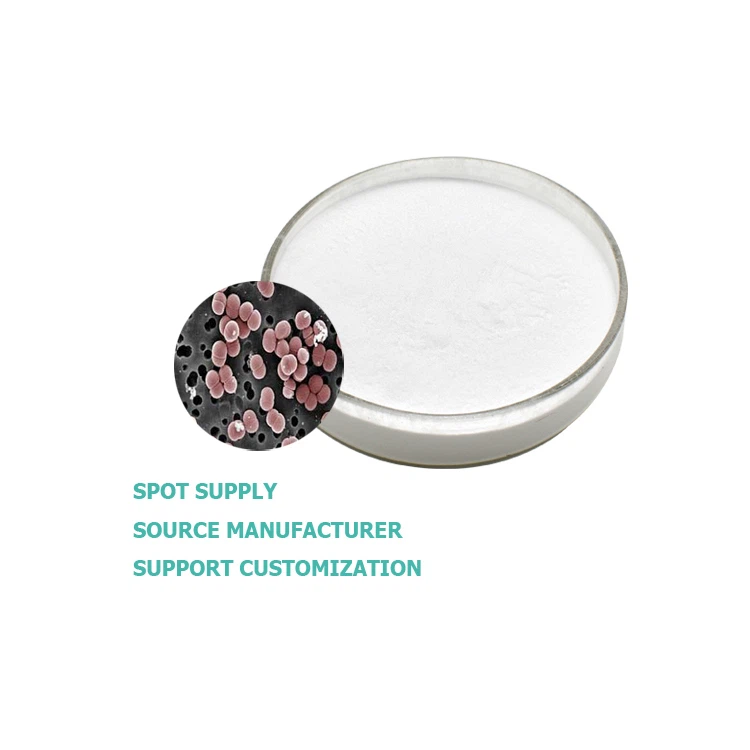
Bacillus Coagulans, a spore-forming probiotic bacterium, has gained significant attention in the field of human health due to its numerous beneficial effects. As a leading supplier of Bacillus Coagulans, I am often asked about how this remarkable bacterium works in the body. In this blog post, I will delve into the science behind Bacillus Coagulans and explain its mechanisms of action.
Survival in the Harsh Gastrointestinal Environment
One of the key features of Bacillus Coagulans is its ability to form spores. Spores are highly resistant structures that can withstand extreme conditions, such as high temperatures, low pH levels, and the presence of digestive enzymes. When ingested, the spores of Bacillus Coagulans can survive the acidic environment of the stomach and the bile salts in the small intestine. This allows them to reach the large intestine, where they can germinate and become active vegetative cells.
The ability of Bacillus Coagulans to survive in the gastrointestinal tract is crucial for its effectiveness as a probiotic. Many other probiotic bacteria are unable to survive the harsh conditions of the digestive system and are therefore unable to colonize the gut. In contrast, Bacillus Coagulans can establish itself in the gut and exert its beneficial effects over an extended period of time.
Modulation of the Gut Microbiota
Once in the gut, Bacillus Coagulans interacts with the existing gut microbiota, which is a complex community of microorganisms that plays a crucial role in human health. The gut microbiota is involved in a wide range of physiological processes, including digestion, metabolism, immune function, and the synthesis of vitamins and other bioactive compounds.
Bacillus Coagulans can modulate the composition and function of the gut microbiota in several ways. First, it can produce lactic acid, which creates an acidic environment in the gut. This acidic environment inhibits the growth of harmful bacteria, such as Escherichia coli and Salmonella, while promoting the growth of beneficial bacteria, such as Bifidobacterium and Lactobacillus.
Second, Bacillus Coagulans can secrete antimicrobial peptides, which are small proteins that have antibacterial, antifungal, and antiviral properties. These antimicrobial peptides can directly inhibit the growth of pathogenic microorganisms in the gut, helping to maintain a healthy balance of the gut microbiota.
Third, Bacillus Coagulans can stimulate the growth and activity of beneficial bacteria in the gut. It can produce various nutrients and growth factors that support the growth of other probiotic bacteria, such as Streptococcus Thermophilus, Pediococcus Acidilactici, and Pediococcus Pentosaceus. By promoting the growth of these beneficial bacteria, Bacillus Coagulans can enhance the overall health and function of the gut microbiota.
Enhancement of Digestive Function
Bacillus Coagulans can also improve digestive function in several ways. First, it can produce enzymes that help to break down complex carbohydrates, proteins, and fats. These enzymes can enhance the digestion and absorption of nutrients in the gut, leading to better overall nutrition.
Second, Bacillus Coagulans can stimulate the production of mucus in the gut. Mucus is a protective layer that lines the gut and helps to prevent the adhesion and invasion of pathogenic microorganisms. By increasing the production of mucus, Bacillus Coagulans can enhance the barrier function of the gut and reduce the risk of gastrointestinal infections.

Third, Bacillus Coagulans can regulate the motility of the gut. It can promote the normal contraction and relaxation of the intestinal muscles, which helps to move food through the digestive tract more efficiently. This can relieve symptoms such as constipation and diarrhea and improve overall digestive comfort.
Regulation of the Immune System
The gut is home to a large proportion of the body's immune system, and the gut microbiota plays a crucial role in regulating immune function. Bacillus Coagulans can interact with the immune cells in the gut and modulate their activity.
It can stimulate the production of cytokines, which are signaling molecules that play a key role in the immune response. By promoting the production of anti-inflammatory cytokines, such as interleukin-10 (IL-10), Bacillus Coagulans can reduce inflammation in the gut and throughout the body. At the same time, it can also enhance the production of pro-inflammatory cytokines, such as interleukin-12 (IL-12), which are important for the activation of the immune system against pathogens.
In addition, Bacillus Coagulans can enhance the function of immune cells, such as macrophages and lymphocytes. Macrophages are cells that can engulf and destroy pathogens, while lymphocytes are cells that can recognize and attack specific pathogens. By enhancing the function of these immune cells, Bacillus Coagulans can improve the body's ability to defend against infections and diseases.
Other Health Benefits
In addition to its effects on the gut microbiota, digestive function, and immune system, Bacillus Coagulans has also been shown to have other health benefits. For example, it has been reported to have antioxidant properties, which can help to protect the body against oxidative stress and damage. Oxidative stress is a major contributor to the development of many chronic diseases, such as cardiovascular disease, cancer, and neurodegenerative diseases.
Bacillus Coagulans has also been shown to have anti-inflammatory effects, which can help to reduce inflammation in the body and alleviate symptoms of inflammatory diseases, such as arthritis and inflammatory bowel disease.
Furthermore, some studies have suggested that Bacillus Coagulans may have a beneficial effect on mental health. The gut-brain axis is a bidirectional communication system between the gut and the brain, and the gut microbiota can influence brain function and behavior. By modulating the gut microbiota, Bacillus Coagulans may be able to improve mood, reduce anxiety and depression, and enhance cognitive function.
Conclusion
In conclusion, Bacillus Coagulans is a remarkable probiotic bacterium that can exert a wide range of beneficial effects in the body. Its ability to survive in the harsh gastrointestinal environment, modulate the gut microbiota, enhance digestive function, regulate the immune system, and provide other health benefits makes it a valuable ingredient in many health products.
As a supplier of high-quality Bacillus Coagulans, we are committed to providing our customers with the best possible products and services. Our Bacillus Coagulans strains are carefully selected and tested to ensure their viability, stability, and effectiveness. If you are interested in incorporating Bacillus Coagulans into your products or learning more about its benefits, please do not hesitate to contact us for further discussion and procurement negotiation.
References
- Sanders ME, et al. An update on the use and investigation of probiotics in health and disease. Gut Microbes. 2019;10(2):218 - 232.
- Guarner F, et al. Gut microbiota in health and disease. Lancet. 2009;373(9665):1000 - 1007.
- Dinleyici EC, et al. Probiotics in the management of acute gastroenteritis in children: a systematic review of randomized controlled trials. Pediatrics. 2014;134(1):e166 - e177.