


Pediococcus pentosaceus is a lactic acid bacterium that has gained increasing attention in the field of human health due to its potential probiotic properties. As a supplier of Pediococcus pentosaceus, I am often asked about its benefits to humans. In this blog post, I will explore the scientific evidence behind the potential health benefits of Pediococcus pentosaceus and discuss its role in promoting human well - being.
1. What is Pediococcus pentosaceus?
Pediococcus pentosaceus is a Gram - positive, non - motile, and facultative anaerobic bacterium. It belongs to the genus Pediococcus, which is commonly found in fermented foods such as sauerkraut, pickles, and certain types of cheese. This bacterium is known for its ability to produce lactic acid through the fermentation of carbohydrates, which helps to preserve food and contribute to its characteristic flavor.
The Pediococcus pentosaceus has a long history of safe use in food fermentation, and in recent years, researchers have started to investigate its potential health - promoting effects beyond its role in food preservation.
2. Probiotic Properties of Pediococcus pentosaceus
2.1. Gut Microbiota Modulation
One of the primary ways in which Pediococcus pentosaceus may benefit humans is by modulating the gut microbiota. The gut microbiota is a complex community of microorganisms that plays a crucial role in various aspects of human health, including digestion, immune function, and metabolism.
Pediococcus pentosaceus can survive the acidic environment of the stomach and reach the intestines, where it can interact with the resident gut microbiota. It has been shown to inhibit the growth of harmful bacteria, such as Escherichia coli and Salmonella, by producing antimicrobial substances like bacteriocins. Bacteriocins are small peptides that can target specific bacteria and prevent their growth and colonization in the gut.
In addition, Pediococcus pentosaceus can stimulate the growth of beneficial bacteria in the gut, such as Bifidobacterium and Lactobacillus species. These beneficial bacteria help to maintain a healthy gut environment, improve digestion, and enhance the immune system.
2.2. Immune System Enhancement
The immune system is our body's defense mechanism against pathogens and diseases. Pediococcus pentosaceus has been reported to have immunomodulatory effects, which means it can regulate the immune response.
It can stimulate the production of cytokines, which are signaling molecules that play a key role in the immune system. For example, some studies have shown that Pediococcus pentosaceus can increase the production of interleukin - 10 (IL - 10), an anti - inflammatory cytokine, and decrease the production of pro - inflammatory cytokines like tumor necrosis factor - alpha (TNF - α). This balance of cytokines is important for maintaining a healthy immune response and preventing excessive inflammation.
Moreover, Pediococcus pentosaceus can enhance the function of immune cells, such as macrophages and natural killer cells. Macrophages are responsible for engulfing and destroying pathogens, while natural killer cells can recognize and kill virus - infected cells and tumor cells. By enhancing the activity of these immune cells, Pediococcus pentosaceus can help the body to better defend against infections and diseases.
2.3. Digestive Health Improvement
Pediococcus pentosaceus can also contribute to improved digestive health. It can break down complex carbohydrates and proteins in the gut, making them easier to digest and absorb. This can lead to better nutrient utilization and reduced digestive discomfort, such as bloating, gas, and constipation.
In addition, the lactic acid produced by Pediococcus pentosaceus can lower the pH of the gut, creating an unfavorable environment for the growth of harmful bacteria. This acidic environment also helps to promote the growth of beneficial bacteria and maintain the integrity of the gut barrier. A healthy gut barrier prevents the entry of toxins and pathogens into the bloodstream and reduces the risk of gut - related diseases.
3. Comparison with Other Probiotic Bacteria
3.1. Bacillus Coagulans
Bacillus Coagulans is another well - known probiotic bacterium. While both Pediococcus pentosaceus and Bacillus Coagulans can have beneficial effects on the gut microbiota and immune system, they have some differences.
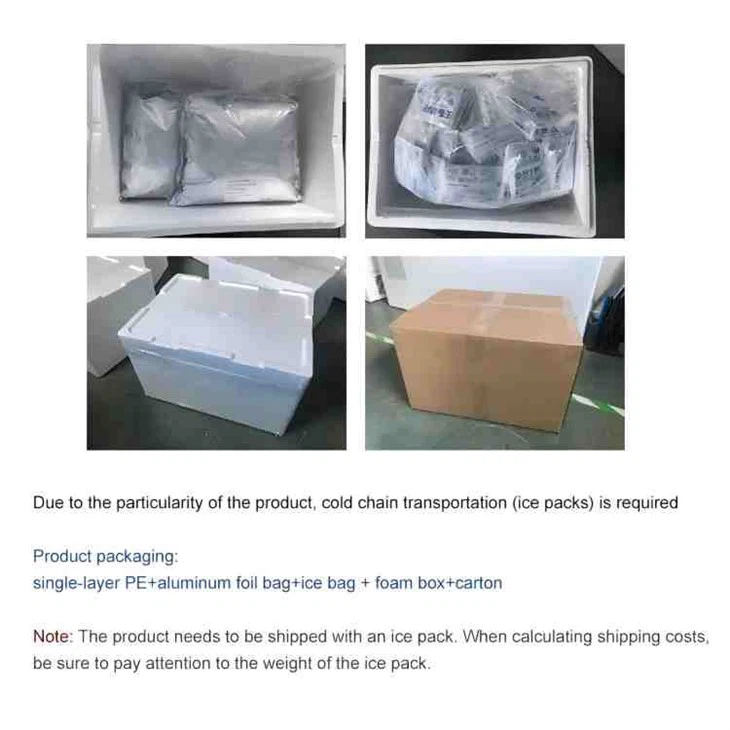

Bacillus Coagulans is a spore - forming bacterium, which means it can form a protective spore that allows it to survive harsh environmental conditions, such as high temperatures and low pH. This makes it more stable during storage and transit compared to Pediococcus pentosaceus. However, Pediococcus pentosaceus has a more direct inhibitory effect on harmful bacteria through the production of bacteriocins, and it may have a stronger impact on modulating the gut microbiota composition.
3.2. Streptococcus Thermophilus
Streptococcus Thermophilus is commonly used in the production of yogurt and other dairy products. Similar to Pediococcus pentosaceus, it is a lactic acid bacterium and can contribute to the fermentation process and gut health.
Streptococcus Thermophilus is mainly known for its ability to ferment lactose and produce lactic acid, which gives yogurt its characteristic tangy flavor. Pediococcus pentosaceus, on the other hand, can ferment a wider range of carbohydrates, including pentoses, and has a broader spectrum of antimicrobial activity. In terms of immune modulation, both bacteria can have positive effects, but the specific mechanisms and the degree of immune stimulation may vary.
4. Applications in Human Health
4.1. Dietary Supplements
Pediococcus pentosaceus is increasingly being used in dietary supplements. These supplements can provide a convenient way for people to introduce this beneficial bacterium into their diet, especially for those who may not consume enough fermented foods.
Dietary supplements containing Pediococcus pentosaceus can be used to support gut health, boost the immune system, and improve digestion. They are available in various forms, such as capsules, tablets, and powders.
4.2. Functional Foods
In addition to dietary supplements, Pediococcus pentosaceus can also be incorporated into functional foods. Functional foods are foods that have additional health benefits beyond basic nutrition. For example, it can be added to yogurt, kefir, and other fermented dairy products to enhance their probiotic content and health - promoting properties.
Pediococcus pentosaceus can also be used in the development of novel functional foods, such as probiotic - enriched bread, snacks, and beverages. These functional foods can provide a more natural and palatable way for consumers to consume Pediococcus pentosaceus and enjoy its health benefits.
5. Safety Considerations
Pediococcus pentosaceus has a long history of safe use in food fermentation, and numerous studies have shown its safety in humans. However, as with any probiotic, there are some potential safety considerations.
In general, Pediococcus pentosaceus is considered safe for healthy individuals. However, people with weakened immune systems, such as those with HIV/AIDS, cancer patients undergoing chemotherapy, or organ transplant recipients, should consult their healthcare provider before taking probiotic supplements containing Pediococcus pentosaceus.
In rare cases, some people may experience mild side effects, such as bloating, gas, or diarrhea, when they first start taking Pediococcus pentosaceus. These side effects are usually temporary and subside as the body adjusts to the probiotic.
6. Conclusion and Call to Action
In conclusion, the scientific evidence suggests that Pediococcus pentosaceus has several potential benefits for human health, including gut microbiota modulation, immune system enhancement, and digestive health improvement. As a supplier of high - quality Pediococcus pentosaceus, we are committed to providing the best products to support your health and well - being.
If you are interested in learning more about Pediococcus pentosaceus or are considering incorporating it into your dietary supplements or functional foods, we encourage you to contact us for a detailed discussion. Our team of experts can provide you with in - depth information about our products, including their quality, safety, and potential applications. Let's work together to promote human health through the power of Pediococcus pentosaceus.
References
- A. M. Corsetti, F. Gobbetti, "Lactic acid bacteria as functional starter cultures for the food fermentation industry," Trends in Food Science & Technology, vol. 13, pp. 247 - 262, 2002.
- C. A. Conte, M. M. Cruz, M. A. F. Gomes, "Probiotic dairy products as functional foods," Comprehensive Reviews in Food Science and Food Safety, vol. 10, pp. 107 - 121, 2011.
- R. K. Saha, "Bacteriocins of lactic acid bacteria: production, purification, and food applications," Journal of Industrial Microbiology & Biotechnology, vol. 33, pp. 887 - 900, 2006.