


Probiotics have gained significant attention in recent years for their potential health benefits. Among the various strains of probiotics, Pediococcus Pentosaceus has emerged as a promising candidate with a wide range of health-promoting properties. As a supplier of Pediococcus Pentosaceus, I am excited to share with you the numerous health benefits associated with this remarkable probiotic strain.
Gut Health
One of the primary benefits of Pediococcus Pentosaceus is its positive impact on gut health. The gut microbiota plays a crucial role in maintaining overall health, influencing digestion, immune function, and even mental health. Pediococcus Pentosaceus helps to maintain a healthy balance of gut bacteria by inhibiting the growth of harmful pathogens and promoting the growth of beneficial bacteria.
This probiotic strain produces lactic acid, which creates an acidic environment in the gut that is unfavorable for the growth of pathogenic bacteria. Additionally, Pediococcus Pentosaceus can adhere to the intestinal lining, forming a protective barrier that prevents harmful bacteria from attaching and invading the gut epithelium. By maintaining a healthy gut microbiota, Pediococcus Pentosaceus can help to improve digestion, reduce the risk of gastrointestinal infections, and alleviate symptoms of digestive disorders such as irritable bowel syndrome (IBS) and inflammatory bowel disease (IBD).
Immune System Support
The immune system is our body's defense mechanism against infections and diseases. Pediococcus Pentosaceus has been shown to enhance immune function by stimulating the production of immune cells and cytokines. Cytokines are small proteins that play a crucial role in regulating the immune response. By increasing the production of cytokines, Pediococcus Pentosaceus can help to activate the immune system and enhance its ability to fight off infections.
Furthermore, Pediococcus Pentosaceus can modulate the immune response to prevent excessive inflammation. Chronic inflammation is associated with a wide range of health problems, including autoimmune diseases, cardiovascular disease, and cancer. By regulating the immune response, Pediococcus Pentosaceus can help to reduce the risk of chronic inflammation and its associated health complications.
Antioxidant Activity
Oxidative stress is a condition that occurs when there is an imbalance between the production of reactive oxygen species (ROS) and the body's antioxidant defenses. ROS are highly reactive molecules that can damage cells and tissues, leading to a wide range of health problems, including aging, cancer, and cardiovascular disease. Pediococcus Pentosaceus has been shown to possess antioxidant activity, which means it can help to neutralize ROS and protect cells from oxidative damage.
The antioxidant activity of Pediococcus Pentosaceus is attributed to its ability to produce antioxidant enzymes such as superoxide dismutase (SOD) and catalase. These enzymes help to convert ROS into less harmful molecules, thereby reducing oxidative stress and protecting cells from damage. By reducing oxidative stress, Pediococcus Pentosaceus can help to slow down the aging process, reduce the risk of chronic diseases, and improve overall health.
Cholesterol Management
High cholesterol levels are a major risk factor for cardiovascular disease. Pediococcus Pentosaceus has been shown to have cholesterol-lowering properties, which means it can help to reduce the levels of LDL cholesterol (the "bad" cholesterol) in the blood. This probiotic strain can bind to cholesterol in the gut and prevent its absorption into the bloodstream. Additionally, Pediococcus Pentosaceus can produce bile salt hydrolase (BSH), an enzyme that helps to break down bile salts in the gut. By breaking down bile salts, Pediococcus Pentosaceus can increase the excretion of cholesterol from the body, thereby reducing its levels in the blood.
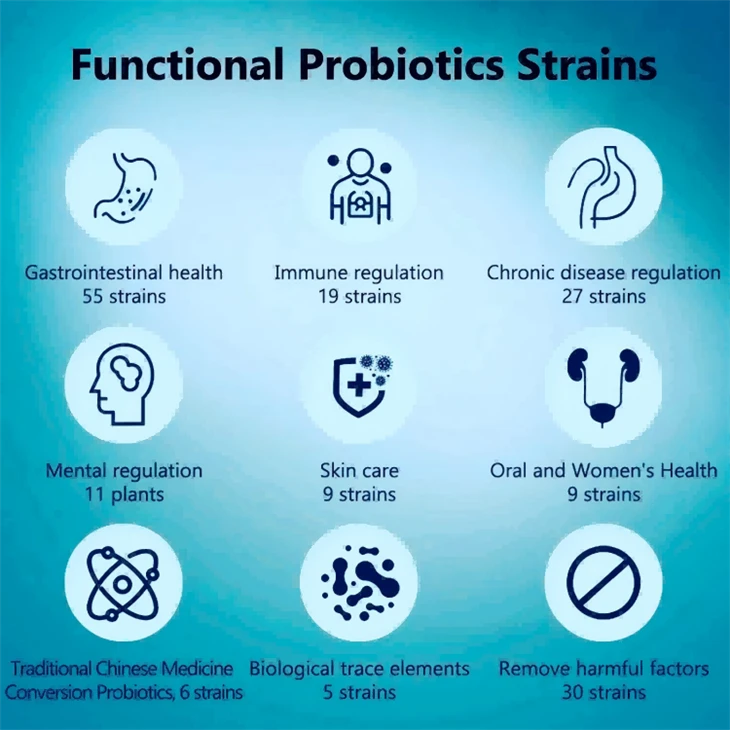

Comparison with Other Probiotic Strains
Pediococcus Pentosaceus is just one of many probiotic strains available on the market. While each probiotic strain has its own unique set of health benefits, Pediococcus Pentosaceus offers several advantages over other strains. For example, compared to Pediococcus Acidilactici, Pediococcus Pentosaceus has been shown to have a stronger inhibitory effect on the growth of pathogenic bacteria. Additionally, compared to Streptococcus Thermophilus and Lactococcus Lactis, Pediococcus Pentosaceus has been shown to have a higher antioxidant activity and a stronger ability to modulate the immune response.
Conclusion
In conclusion, Pediococcus Pentosaceus is a remarkable probiotic strain with a wide range of health benefits. From improving gut health and immune function to reducing oxidative stress and managing cholesterol levels, this probiotic strain has the potential to improve overall health and well-being. As a supplier of Pediococcus Pentosaceus, I am committed to providing high-quality probiotic products that can help you achieve optimal health.
If you are interested in learning more about Pediococcus Pentosaceus or are looking to purchase our probiotic products, please feel free to contact us for more information. We would be happy to discuss your specific needs and provide you with the best solutions for your health.
References
- Marco, M. L., Heeney, D., Binda, S., Clemente, J. C., Flint, H. J., Ménard, A., ... & Zoetendal, E. G. (2017). The gut microbiota in health and in disease. Nature Reviews Microbiology, 15(2), 71-84.
- Hill, C., Guarner, F., Reid, G., Gibson, G. R., Merenstein, D. J., Pot, B., ... & Cani, P. D. (2014). Expert consensus document: The International Scientific Association for Probiotics and Prebiotics (ISAPP) consensus statement on the definition and scope of probiotics. Nature Reviews Gastroenterology & Hepatology, 11(8), 506-514.
- Sanders, M. E., Guarner, F., Reid, G., Gibson, G. R., Merenstein, D. J., Pot, B., ... & Cani, P. D. (2019). An update on the use and investigation of probiotics in health and disease. Gut, 68(10), 1985-1994.
- Zhang, H., Wang, H., & Zhang, H. (2019). Pediococcus pentosaceus: A potential probiotic with multiple health benefits. Journal of Functional Foods, 57, 103367.